
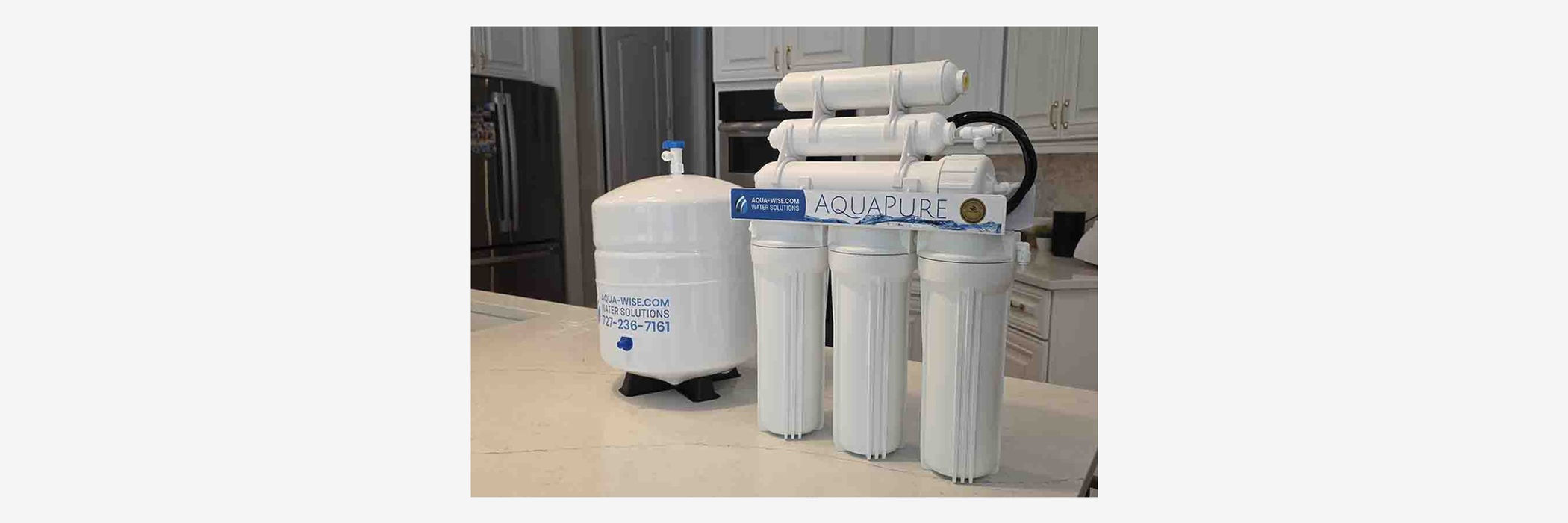
Reverse Osmosis Without Electricity in Tarpon Springs, Florida

Introduction
Many Tarpon Springs homeowners ask whether a reverse osmosis system requires electricity. The short answer is that most residential RO systems do not need electricity to operate. They run on water pressure alone. However, some systems add electric pumps or monitoring features that do require power. Understanding the difference helps you choose the right system for your home and budget.
I've installed reverse osmosis systems in homes with reliable city water pressure and in homes where low pressure made a pump necessary. The decision depends on your water pressure, your household's water usage, and whether you want additional features.
How Most Reverse Osmosis Systems Work Without Electricity
A standard under-sink reverse osmosis system uses your home's existing water pressure to push water through the RO membrane. Municipal water pressure in Tarpon Springs typically ranges from 40 to 80 psi, which is sufficient to operate a residential RO system.
Water flows from the cold-water line through pre-filters, then through the membrane, and into a storage tank. The system uses a simple pressure differential: incoming pressure forces treated water into the tank, and the tank's internal air bladder maintains pressure to deliver water to your faucet when you open it.
No electricity is required for filtration, storage, or delivery. The system operates mechanically, relying entirely on hydraulic pressure.
When a Reverse Osmosis System Does Require Electricity
Some situations call for an electric component:
Low water pressure: If your home's water pressure is below 40 psi, the RO membrane may not produce water efficiently. A booster pump solves this problem, but it requires electricity.
Permeate pumps: These devices use hydraulic pressure from the drain line to improve efficiency and reduce wastewater. They do not require electricity but are sometimes confused with booster pumps.
Tankless RO systems: Some newer designs eliminate the storage tank and use an electric pump to produce water on demand. These systems require power.
Monitoring and indicators: Systems with electronic filter-life monitors, leak detectors, or automatic shut-off valves use small amounts of electricity, typically from a plug-in adapter.
For most Tarpon Springs homes with normal municipal water pressure, a non-electric system works reliably. If you're on well water or have unusually low pressure, testing your water pressure before selecting a system is important.
What Homeowners Notice With Non-Electric RO Systems
A non-electric reverse osmosis system delivers the same water quality as an electric model. The HydroClear™ system, for example, removes fluoride, lead, arsenic, and other dissolved contaminants, providing clear, great-tasting drinking water without requiring a power connection.
Homeowners appreciate the simplicity. There's no electrical outlet to install under the sink, no concern about power outages interrupting water production, and no added electricity cost.
The main consideration is production speed. A non-electric system typically produces water more slowly than a pumped system, which is why it stores treated water in a tank. For most households, a 3- to 4-gallon storage tank provides plenty of water for drinking, cooking, and ice.
If you use large amounts of RO water quickly—filling a large pot, for example—you may notice the flow slow as the tank empties. The system will refill over the next few hours.
Choosing Between Electric and Non-Electric RO Systems
I recommend starting with a simple question: What is your home's water pressure?
If your pressure is 50 psi or higher, a non-electric system will work well. If it's below 40 psi, or if you're on a well with variable pressure, a booster pump may be necessary.
Next, consider your water usage. A family that uses RO water only for drinking and cooking will do fine with a standard storage-tank system. If you want RO water for a refrigerator, ice maker, coffee station, and multiple people filling water bottles throughout the day, you may want a larger storage tank or a system designed for higher flow.
Finally, think about installation location. Non-electric systems are easier to install because they don't require an electrical outlet under the sink. If your kitchen doesn't have a convenient outlet, avoiding the need for one simplifies the installation.
Testing your water before selecting a system ensures you're addressing the actual contaminants in your water. Reverse osmosis is effective for dissolved substances like fluoride, lead, and arsenic, but it does not address hardness, chlorine taste, or sediment as effectively as other treatments. Pairing an RO system with appropriate pre-filtration improves performance and extends membrane life.
What I Would Check First
Before purchasing a reverse osmosis system, measure your home's water pressure. You can use an inexpensive pressure gauge that screws onto an outdoor hose bib. Check the pressure at different times of day to see if it fluctuates.
If your pressure is consistently above 40 psi, a non-electric system will work. If it's lower or inconsistent, plan for a booster pump.
Next, have your water tested. Knowing what contaminants are present helps you choose the right system and the right pre-filters. Municipal water in Tarpon Springs is treated, but it may still contain fluoride, chlorine byproducts, or trace metals depending on the source and distribution system. Well water requires a more comprehensive test.
Finally, think about where you'll install the system. Under-sink space, access to the cold-water line, and a drain connection are all necessary. If you'll need a booster pump, confirm there's an outlet nearby or plan to have one installed.
Frequently Asked Questions
Do all reverse osmosis systems need electricity?
No. Most residential under-sink RO systems operate on water pressure alone and do not require electricity. Systems with booster pumps, electronic monitors, or tankless designs do require power.
How much water pressure do I need for a non-electric RO system?
Most manufacturers recommend at least 40 to 60 psi for efficient operation. Below that range, a booster pump improves production speed and water recovery.
Will a reverse osmosis system work during a power outage?
A non-electric RO system continues to work during a power outage as long as your home has water pressure. If you're on well water with an electric pump, the RO system will not operate without municipal pressure or a generator.
Does a non-electric RO system waste more water than an electric one?
Waste-to-product ratios depend on membrane design, water pressure, and temperature, not whether the system is electric. A permeate pump can improve efficiency in non-electric systems without requiring electricity.
Can I add a pump to my existing RO system if my pressure is low?
Yes. A booster pump can be added to most standard RO systems if low pressure becomes an issue. Installation requires an electrical connection and minor plumbing adjustments.


Comments