
Annual Well Water Testing Guide for Tarpon Springs, Florida Homeowners

Updated: 9 hours ago
Introduction
If you're on a private well in Tarpon Springs, Florida, you're responsible for your own water quality. Unlike municipal systems that test and report regularly, well owners must decide when to test, what to test for, and how to interpret the results.
I often explain to homeowners that annual testing is a baseline, not a complete answer. What you test for, and how often, depends on your well's history, your household's health considerations, and what's happening around your property. This guide walks through a practical annual testing approach and explains when you might need to test more frequently.
Why Annual Testing Matters
Well water chemistry can change. A well that tested clean five years ago may now show elevated iron, bacteria, or nitrate due to seasonal water-table shifts, nearby land use, or aging well components.
Annual testing establishes a baseline and catches gradual changes before they become noticeable problems. Some contaminants—like bacteria or nitrate—don't produce obvious taste, odor, or staining, so testing is the only way to know they're present.
Testing also protects your treatment equipment. If you have a water softener, iron filter, or reverse osmosis system, knowing your current water chemistry helps you maintain those systems correctly and avoid premature failure.
What to Test Every Year
A useful annual well water test for most Tarpon Springs homeowners includes:
Total coliform and E. coli bacteria: Indicates potential contamination from surface water or septic systems.
Nitrate: Common in areas with agriculture, septic systems, or fertilizer use; elevated nitrate is a health concern, especially for infants.
pH: Affects corrosion, treatment system performance, and water chemistry.
Hardness: Measured as calcium and magnesium; determines softener sizing and maintenance.
Iron and manganese: Cause staining, taste issues, and can interfere with treatment equipment.
Total dissolved solids (TDS): General water-quality indicator.
This baseline panel addresses the most common well water issues and provides data you can use to evaluate treatment options or adjust existing equipment.
When to Test More Frequently or Add Parameters
Annual testing is a starting point.
A new well is drilled or the well is serviced.
You notice a change in taste, odor, color, or staining.
There's flooding, heavy rain, or nearby construction.
A septic system is installed, repaired, or fails nearby.
A household member is pregnant, nursing, or has a compromised immune system.
You're buying or selling the property.
Additional parameters to consider based on local conditions or specific concerns.
Sulfate and hydrogen sulfide: If you smell rotten eggs.
Arsenic: Naturally occurring in some Florida aquifers; a one-time test is often recommended.
Lead and copper: If you have older plumbing or notice blue-green staining.
Fluoride: Naturally occurring in some wells; relevant if young children are in the home.
Volatile organic compounds (VOCs) or pesticides: If there's nearby agricultural or industrial activity.
I recommend discussing your property's history and surrounding land use with the laboratory or your water treatment professional to determine whether additional testing is appropriate.
How to Collect a Reliable Sample
Testing accuracy depends on proper sample collection. Most certified laboratories provide sterile bottles and detailed instructions, but general best practices include:
Use a cold-water tap that's directly connected to the well, not a hose or outdoor spigot with a backflow preventer.
Let the water run for several minutes to clear the line.
Avoid touching the inside of the bottle or cap.
Follow the lab's instructions for filling, capping, and refrigerating the sample.
Deliver or ship the sample promptly, typically within 24 hours for bacteria testing.
For bacteria testing, timing matters. Samples held too long or exposed to heat can produce inaccurate results.
Once you receive your lab report, compare the results to EPA drinking water standards and secondary guidelines.
Primary standards address health concerns (bacteria, nitrate, arsenic, lead).
Secondary standards address aesthetic issues like taste, odor, and staining (iron, manganese, sulfate, pH).
If bacteria are detected, the well should be disinfected and retested. Persistent bacteria contamination may indicate a structural problem with the well or contamination from a nearby source.
Elevated nitrate, arsenic, or lead requires treatment before the water is used for drinking or cooking. A reverse osmosis system is often effective for these contaminants, but treatment must be matched to the specific water chemistry and flow requirements.
If iron, manganese, or hardness are above secondary guidelines, treatment may improve water quality and protect plumbing and appliances, but these are generally not immediate health concerns at typical well-water concentrations.
Treatment depends entirely on what the test shows.
Bacteria: Well disinfection, UV sterilization, or chlorination depending on the source and severity.
Hardness: Ion-exchange water softener.
Iron and manganese: Oxidation, filtration, or softening depending on the form and concentration.
Nitrate, arsenic, lead: Reverse osmosis at the point of use or whole-house treatment depending on the contaminant and household needs.
Hydrogen sulfide: Aeration, oxidation, or catalytic carbon filtration.
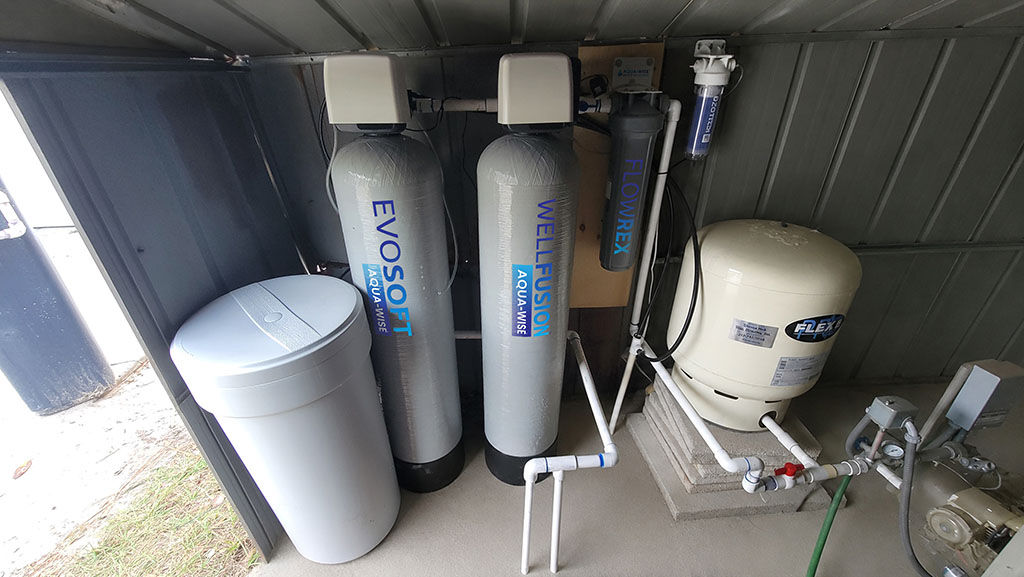
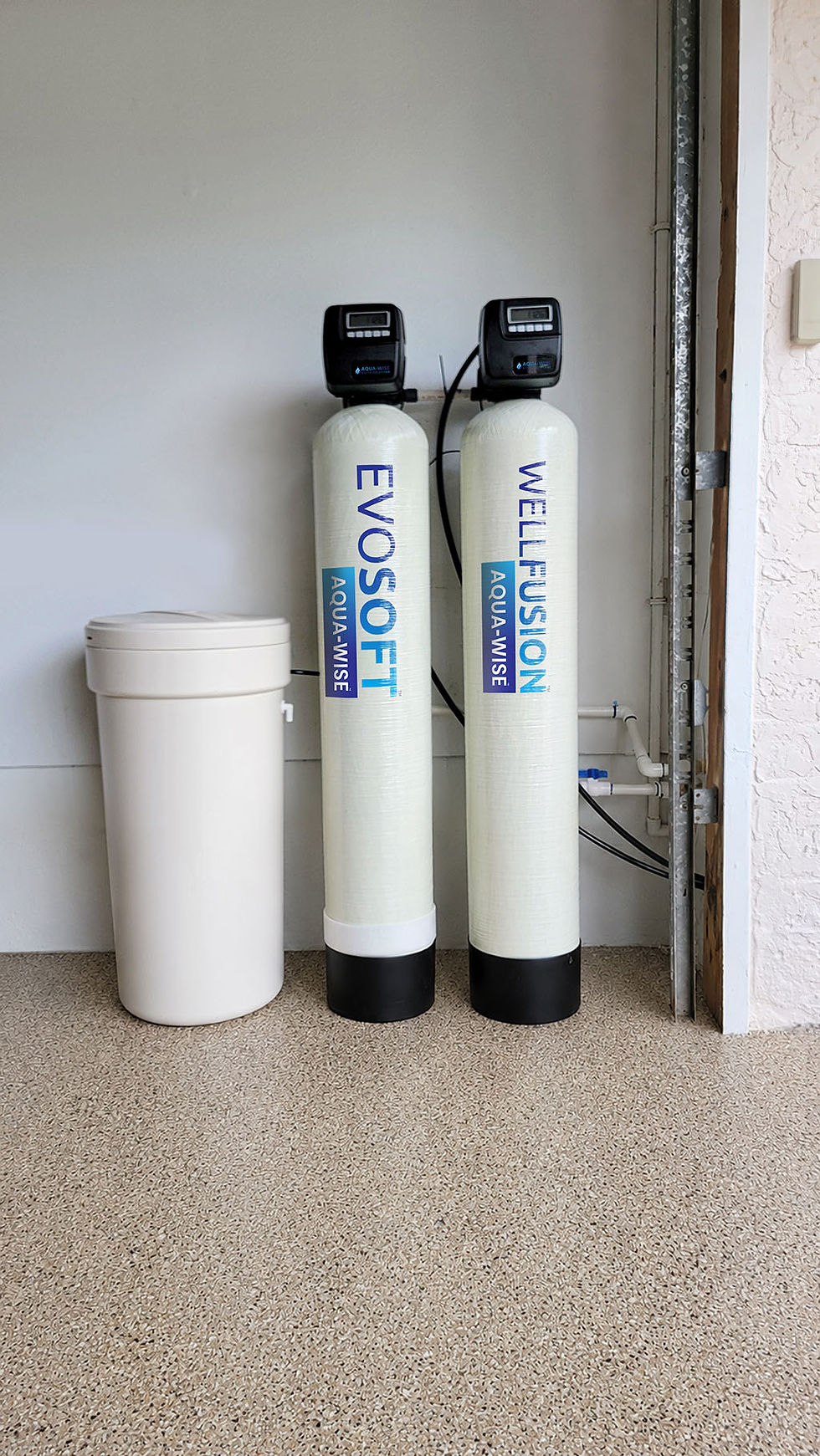
Systems like WellFusion™ are designed to address multiple well water issues in a single platform, but effective treatment starts with accurate testing and a clear understanding of what's in the water.
I always recommend reviewing test results with a water treatment professional before purchasing equipment. The wrong system won't solve the problem and may create new maintenance issues.
If you haven't tested your well in the past year, start with a basic bacteria, nitrate, pH, hardness, iron, and manganese panel from a certified laboratory. This gives you a clear picture of your water quality and helps you decide whether treatment or further testing is needed.
If you already have treatment equipment, compare your current test results to the original water analysis. Changes in water chemistry may require adjustments to your system settings or additional treatment stages.
Keep a file of your test results. Tracking your water quality over time helps you spot trends and makes it easier to troubleshoot problems or size new equipment.
Frequently Asked Questions
How much does annual well water testing cost?
A basic bacteria and chemistry panel typically costs between $100 and $200 depending on the laboratory and parameters included. Expanded panels with metals, VOCs, or pesticides cost more.
Can I use a home test kit instead of a laboratory?
Home test kits can provide quick estimates for some parameters like hardness or pH, but they're not reliable for bacteria, nitrate, or regulated contaminants. Use a certified laboratory for annual testing.
What if my water looks and tastes fine?
Many contaminants, including bacteria, nitrate, and arsenic, have no taste, odor, or color. Testing is the only way to know whether your water is safe.
Do I need to test if I have a water treatment system?
Yes. Testing confirms that your system is working correctly and helps you catch changes in water chemistry that might require maintenance or adjustment.
Where can I find a certified water testing laboratory in Florida?
The Florida Department of Health maintains a list of certified laboratories. Your county health department or a local water treatment professional can also recommend a lab.

Comments