
UV Treatment for Well Water in Pinellas Park, Florida

Introduction
Many homeowners in Pinellas Park with private wells ask whether they need ultraviolet disinfection as part of their water treatment system. The answer depends entirely on what's actually in the water—not on assumptions, neighborhood rumors, or what the previous owner installed. UV treatment addresses specific biological contamination, and understanding when it's necessary starts with proper water testing.
As a Certified Water Specialist working with well systems throughout Florida, I've seen UV systems installed where they weren't needed and absent where they should have been present. The difference comes down to measured water quality and realistic risk assessment.
What UV Treatment Actually Does
Ultraviolet disinfection uses short-wavelength UV-C light to inactivate bacteria, viruses, and other microorganisms by disrupting their DNA. When water flows through a UV chamber and receives the correct dose of UV light, these organisms lose their ability to reproduce and cause infection.
UV treatment is highly effective against:
Coliform bacteria - E. coli - Cryptosporidium - Giardia - Many waterborne viruses.
What UV does not do is remove sediment, dissolved minerals, chemicals, or taste and odor compounds. It also doesn't provide any residual disinfection once water leaves the UV chamber. The treatment happens only at the point where water passes through the light.
When Well Water Disinfection Is Necessary
The decision to install UV treatment should be based on laboratory test results showing biological contamination or conditions that create ongoing contamination risk.
Common situations that warrant UV disinfection include:
** Any detection of coliform bacteria indicates that your well is vulnerable to surface water intrusion or contamination. E. coli specifically indicates fecal contamination and requires immediate action.
** Shallow wells, wells near septic systems, or wells in low-lying areas may be at ongoing risk even after shock chlorination.
** Damaged well casings, missing sanitary seals, or wells located too close to potential contamination sources may need continuous disinfection.
** Even if routine testing shows safe results, households with vulnerable individuals may choose UV as a precautionary measure.
UV treatment is not a substitute for fixing the source of contamination. If your well tests positive for bacteria, the first step should always be identifying why contamination is occurring and whether the well itself needs repair or replacement.
What Happens Before UV Makes Sense
UV disinfection works only when water entering the chamber is clear and free of sediment or turbidity. Particles in the water can shield microorganisms from UV light, allowing them to pass through untreated.
Before UV treatment can be effective, well water typically needs.
** Particulate matter must be removed to allow UV light to penetrate the water effectively.
** Dissolved iron and manganese can coat the UV lamp sleeve, reducing light transmission and treatment effectiveness. These must be addressed upstream.
** While not always required, scale buildup on the quartz sleeve can reduce UV performance over time in very hard water.
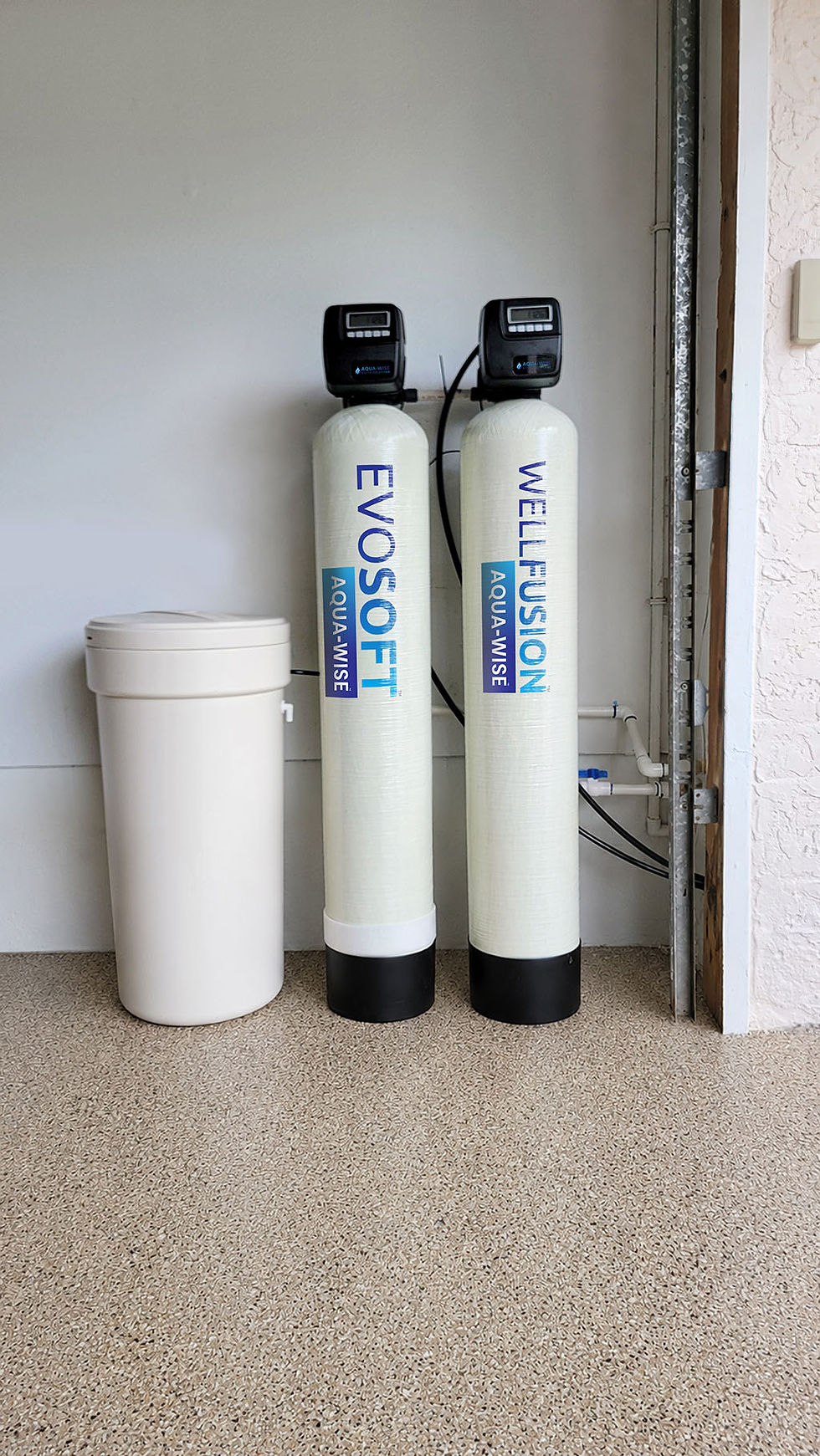
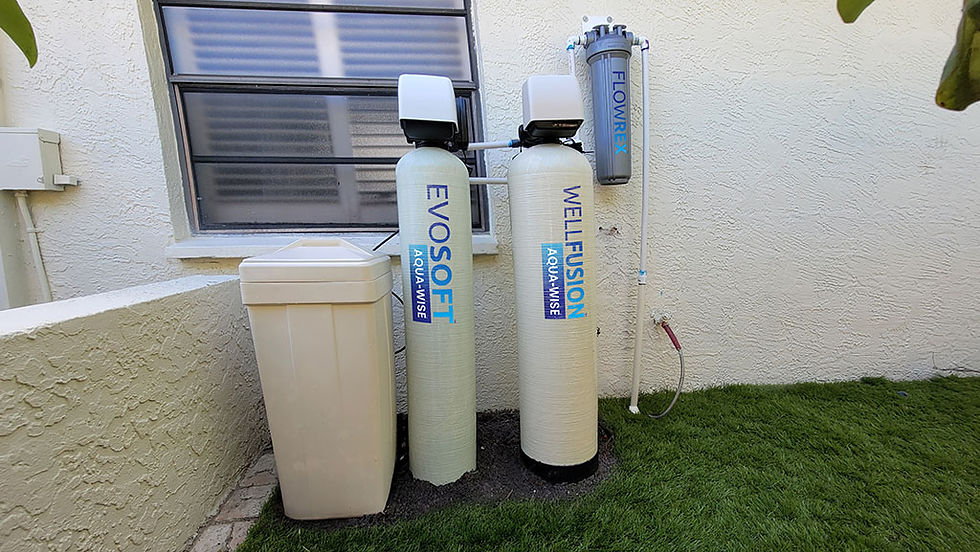
A well water treatment system like WellFusion™ is designed to address these issues in sequence—removing sediment, treating iron and other dissolved contaminants, and then providing UV disinfection when the water is properly prepared. Skipping steps or installing UV alone rarely produces reliable results.
How to Know Whether Your Well Needs UV
The only way to determine whether UV treatment is necessary is through proper laboratory testing.
Total coliform bacteria - E. coli - pH - Hardness - Iron - Manganese - Turbidity.
If coliform or E. coli are detected, the well should be disinfected and retested. If contamination returns, UV treatment becomes part of the long-term solution.
In Pinellas Park, well water quality varies significantly depending on well depth, construction, and local geology. Some wells produce clean water with no biological contamination, while others require ongoing treatment. Testing removes the guesswork.
What I Check First
When a homeowner asks about UV treatment, I start by reviewing their most recent water test.
If bacteria are present, I look at:
Well construction and condition - Proximity to septic systems or other contamination sources - Whether the well has been properly disinfected - Water clarity and whether pretreatment is needed - Flow rate and whether the system can support UV contact time.
UV systems require regular maintenance. The lamp must be replaced annually regardless of whether it still produces visible light, because UV-C output diminishes over time. The quartz sleeve must be cleaned periodically to maintain light transmission. Homeowners need to understand that UV is not a set-it-and-forget-it technology.
If your well water is biologically safe and has been consistently free of contamination, adding UV treatment provides no benefit. The investment is better directed toward addressing actual water quality issues you can measure and observe.
Frequently Asked Questions
Does every well in Florida need UV treatment?
No. UV treatment is necessary only when laboratory testing shows biological contamination or when well conditions create ongoing contamination risk. Many Florida wells produce microbiologically safe water without disinfection.
Can I install UV treatment without other filtration?
UV works effectively only when water is clear and free of sediment, iron, and manganese. Installing UV alone on untreated well water typically results in poor performance and frequent maintenance issues.
How often does a UV system need maintenance?
The UV lamp should be replaced annually, and the quartz sleeve should be cleaned at least once per year or more frequently if water contains iron or hardness minerals that cause buildup.
Will UV remove the sulfur smell from my well water?
No. UV disinfection does not remove hydrogen sulfide, iron, manganese, or any dissolved compounds that cause taste and odor issues. Those require separate treatment upstream of the UV system.
Can UV treatment replace shocking my well with chlorine?
UV provides continuous disinfection but does not clean the well itself or address contamination within the well casing. If bacteria are present, the well should be properly disinfected first, then retested before deciding on UV installation.

Comments