

Reverse Osmosis and Well Water Softening in Pass a Grille, Florida

Updated: 9 hours ago
Introduction
Homeowners in Pass-a-Grille who rely on well water often ask whether reverse osmosis can handle both hardness and other water-quality problems. The short answer is that reverse osmosis treats drinking water at a single tap or fixture, while a water softener addresses hardness throughout the entire home. Understanding what each technology does—and what it doesn't—helps you choose the right combination for your well water.
I work with well-water systems regularly, and one of the most common misunderstandings is expecting a reverse osmosis system to solve every problem. RO is excellent for drinking water, but it's not designed to protect your plumbing, water heater, or appliances from hard water.
What Reverse Osmosis Actually Does
Reverse osmosis forces water through a semipermeable membrane, reducing many dissolved substances including minerals, salts, and certain contaminants. An RO system typically installs under the kitchen sink and treats water for drinking, cooking, and ice.
What RO can reduce depends on the system design, membrane type, operating pressure, and water chemistry.
Total dissolved solids (TDS)
Sodium and chloride
Nitrate
Sulfate
Certain heavy metals
Some organic compounds.
RO does not treat the entire house. It produces a limited volume of purified water—usually one to three gallons per hour depending on the system—so it's not practical for showers, laundry, or outdoor use.
What a Water Softener Does
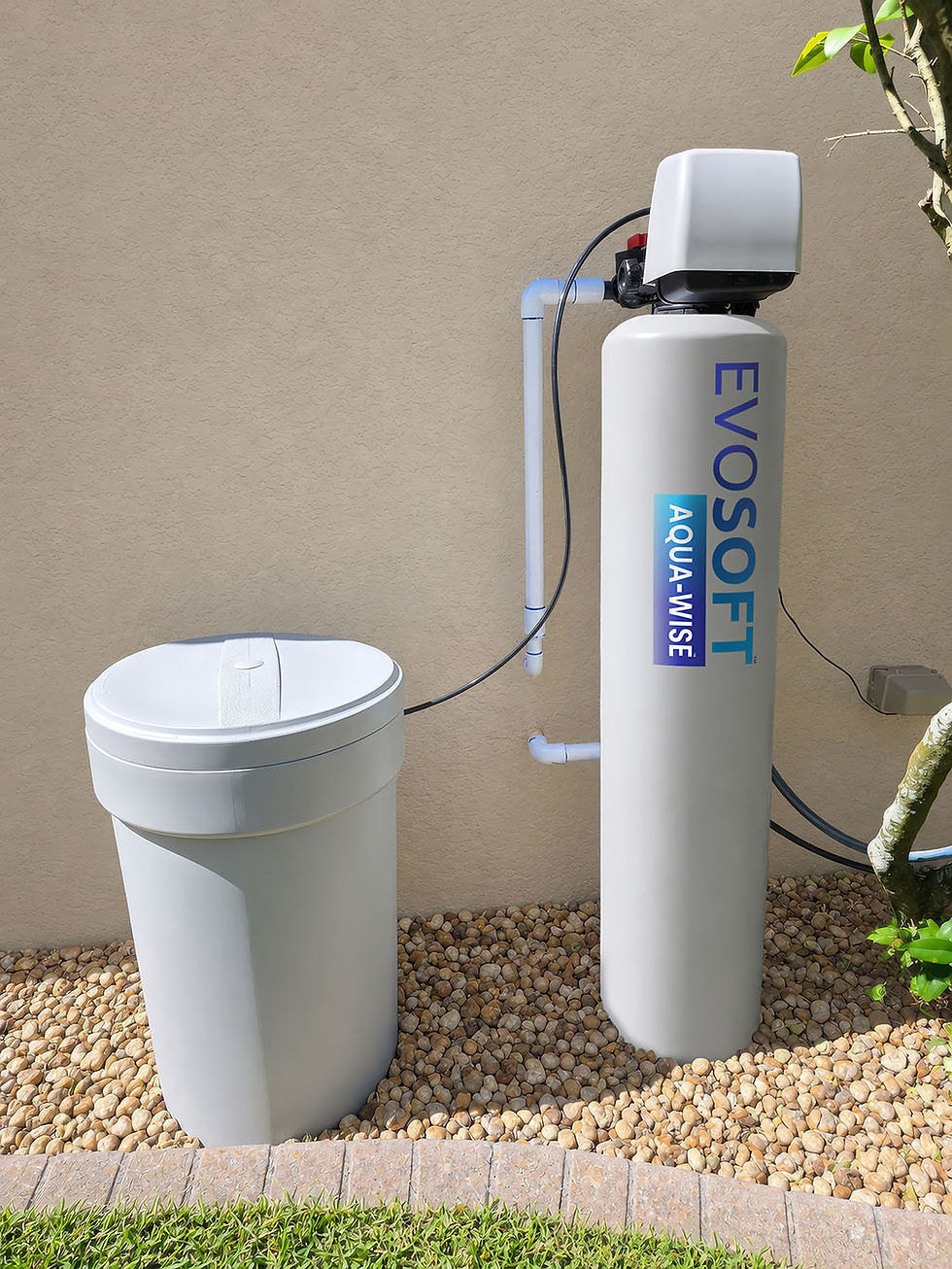
A water softener addresses hardness by exchanging calcium and magnesium ions for sodium or potassium ions through a process called ion exchange. Softeners are whole-house systems that treat water before it reaches your fixtures, appliances, and water heater.
Hardness causes:
Scale buildup on faucets and showerheads
White spotting on glassware and dishes
Reduced soap and detergent performance
Shortened appliance life
Dry-feeling skin and hair.
A softener prevents these problems but does not reduce contaminants like nitrate, bacteria, or heavy metals. If your well water has both hardness and other water-quality concerns, you'll need more than one type of treatment.
Why Well Water Often Needs Both
Well water in Pass-a-Grille and surrounding areas can contain a combination of issues.
Hardness from dissolved calcium and magnesium
Elevated TDS from minerals and salts
Iron or manganese causing staining
Sulfur odor from hydrogen sulfide
Nitrate from fertilizers or septic systems
Bacteria or other biological concerns.
A water softener handles hardness throughout the home, protecting plumbing and appliances. A reverse osmosis system provides high-quality drinking water at the tap. When you combine the two, you address both household water quality and drinking-water safety.
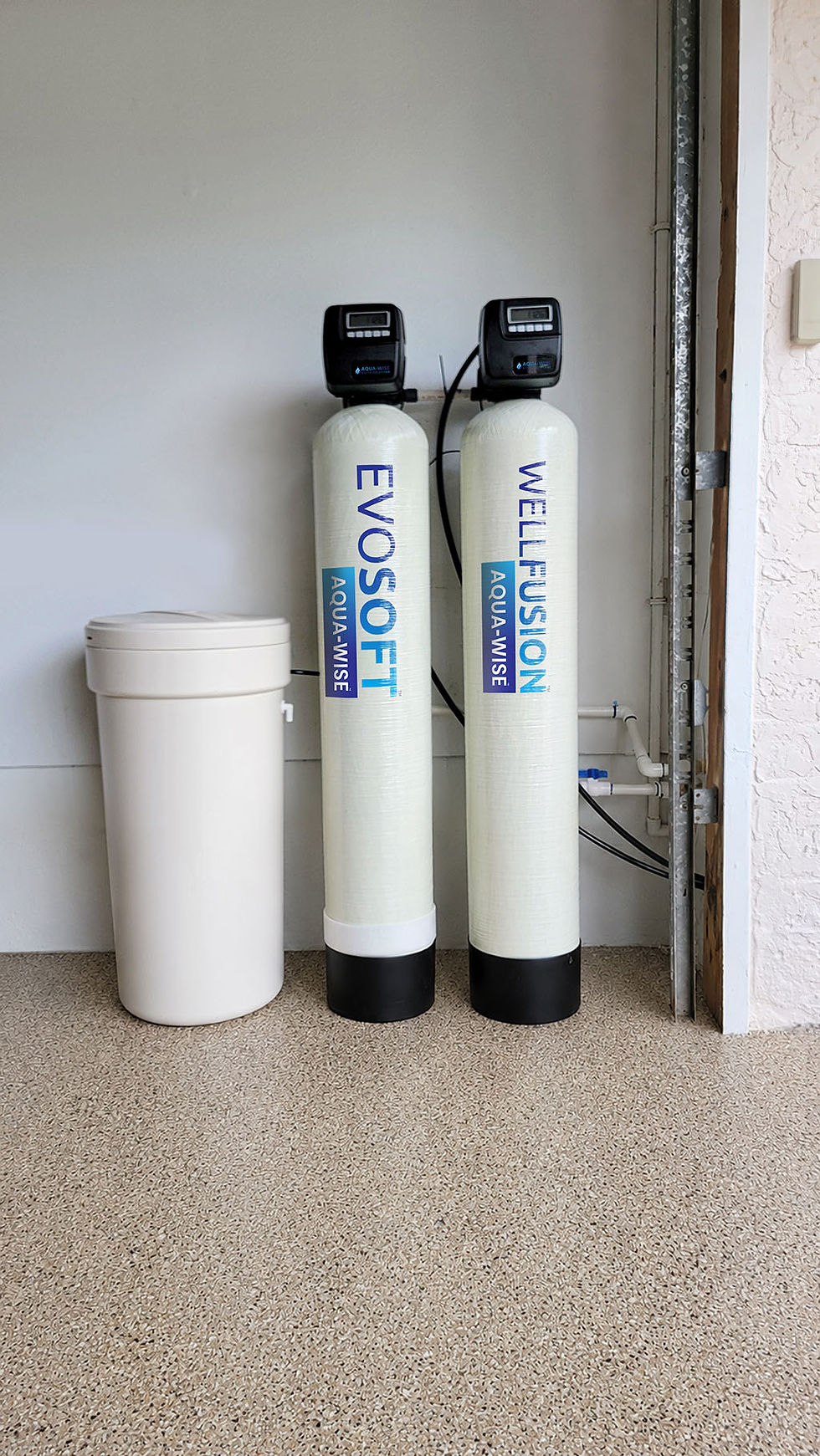
In many cases, I also recommend pre-filtration before the RO system. Sediment, iron, or sulfur can foul an RO membrane quickly, reducing performance and shortening membrane life. A system like WellFusion™ can provide whole-house filtration and softening, followed by point-of-use RO for drinking water.
What to Test Before You Buy
Don't assume your well water needs the same treatment as your neighbor's. Water chemistry varies widely even within the same area.
I recommend testing for:
Hardness (calcium and magnesium)
Total dissolved solids
Iron and manganese
pH
Sulfate and chloride
Nitrate
Bacteria (coliform and E. coli)
Any known local contaminants.
A certified laboratory test provides the data you need to select the right equipment. Treating based on assumptions or visible symptoms alone often leads to incomplete solutions or equipment that doesn't perform as expected.
Common Mistakes to Avoid
One mistake is installing an RO system without addressing hardness first. Hard water can scale the RO membrane, reducing efficiency and requiring more frequent replacement. Pre-softening or pre-filtration protects the RO system and extends its service life.
Another mistake is assuming that softened water is safe to drink without testing. A softener exchanges hardness minerals for sodium, which may not be ideal for drinking water depending on your health considerations and the original hardness level. RO provides an additional reduction step for drinking water after softening.
Finally, some homeowners install treatment without understanding their water chemistry. If your well has high iron, you may need oxidation and filtration before softening. If sulfur is present, you may need aeration, oxidation, or activated carbon. Testing first prevents trial-and-error equipment purchases.
What I Would Check First
If you're considering reverse osmosis and water softening for your Pass-a-Grille well, start with a complete water test. Understand what's in your water and at what concentrations.
Next, determine your household water use and treatment goals. Do you need whole-house softening to protect appliances?
Do you want purified drinking water at the kitchen sink? Are there specific contaminants you need to reduce?
Once you have test results and clear goals, you can design a system that addresses your actual water-quality problems. In many cases, that means a whole-house softener or filtration system paired with point-of-use reverse osmosis for drinking water.
Don't hesitate to ask questions about system sizing, maintenance requirements, and expected performance. A properly designed well-water treatment system should provide reliable water quality for years with routine service.
Frequently Asked Questions
Can reverse osmosis remove hardness from well water?
Yes, reverse osmosis can reduce hardness minerals at the point of use, but it only treats a small volume of water at one tap. A whole-house water softener is the practical solution for protecting plumbing and appliances throughout your home.
Do I need a water softener if I have reverse osmosis?
If your well water is hard, a softener protects your plumbing, water heater, and appliances. RO treats drinking water at one fixture but doesn't prevent scale buildup in the rest of your home. Most well-water systems benefit from both.
Will a water softener damage my reverse osmosis system?
No. Softened water can actually extend the life of an RO membrane by preventing scale buildup. Many RO systems perform better when installed after a water softener, especially in areas with very hard well water.
What should I test for in Pass-a-Grille well water?
Test for hardness, total dissolved solids, iron, manganese, pH, nitrate, sulfate, and bacteria. A complete laboratory analysis helps you understand what treatment your well water actually needs rather than guessing based on symptoms.
Can I install well water treatment myself?
Some homeowners install point-of-use RO systems, but whole-house softeners and filtration systems require proper sizing, plumbing, drainage, and electrical connections. Professional installation ensures the system operates correctly and meets local codes.

Comments