
Hard Water Treatment in Westchase, Florida: What to Know

Updated: 9 hours ago
Introduction
If you're on well water in Westchase with extremely hard water—say, 20, 30, or even 40+ grains per gallon—you've probably heard about salt-free water conditioners and wondered whether they can actually handle that level of hardness. The short answer: it depends on what you're trying to accomplish. Salt-free conditioners don't remove hardness minerals the way a traditional water softener does, but they can help reduce scale buildup in certain applications. Understanding the difference between removing hardness and managing scale is essential before choosing the right system for your home.
As a Certified Water Specialist working with well-water homeowners throughout Florida, I often see confusion around this topic. Let me walk you through what salt-free conditioners actually do, when they make sense, and when you need a different approach.
What Salt-Free Water Conditioners Actually Do
A salt-free water conditioner—sometimes called a template-assisted crystallization (TAC) system or a catalytic media conditioner—does not remove calcium and magnesium from your water. Instead, it changes the structure of those minerals so they're less likely to form hard, adherent scale on pipes, fixtures, and appliances.
Think of it this way: the hardness minerals are still present in the water. You'll still see spots on shower glass, and soap won't lather quite as well. But the treated minerals tend to stay suspended or form soft, powdery deposits rather than rock-hard scale inside your plumbing and water heater.
This is fundamentally different from a traditional ion-exchange water softener, which removes calcium and magnesium and replaces them with sodium or potassium. A softener delivers truly soft water—no hardness minerals at all. A salt-free conditioner delivers conditioned hard water.
When Salt-Free Conditioners Work Well
Salt-free conditioners can be effective in certain situations, particularly when:
Your primary concern is protecting pipes, tankless water heaters, and appliances from scale buildup.
You want to avoid adding sodium to your water.
You prefer a low-maintenance system with no salt delivery or regeneration cycles.
Your hardness is moderate and you're willing to accept some spotting and reduced soap performance.
For homeowners with moderately hard water—perhaps 10 to 15 grains per gallon—and realistic expectations, a salt-free conditioner can be a practical choice.
The Challenge With Extremely Hard Well Water
When hardness climbs into the 20, 30, or 40+ grain range, the limitations of salt-free conditioning become more apparent.
Scale-formation potential is very high, even with conditioning.
Spotting on fixtures, glass, and dishes becomes difficult to manage.
Soap, shampoo, and detergent performance suffers noticeably.
Appliances and water heaters still face significant mineral load.
Salt-free systems are not designed to deliver the same results as a softener when hardness is extreme. The minerals remain in the water, and while the conditioner may reduce adhesive scaling, it won't eliminate the effects you associate with hard water.
If you're dealing with extremely hard well water and expect soft-water performance—no spots, better soap lather, softer laundry—you'll likely be disappointed with a salt-free conditioner alone.
What I Would Recommend for Extremely Hard Well Water
For homeowners in Westchase with extremely hard well water, I typically recommend starting with a water test to understand the full picture. Hardness is only one factor. Well water can also contain iron, manganese, sulfur, tannins, sediment, and bacteria—all of which affect treatment decisions.
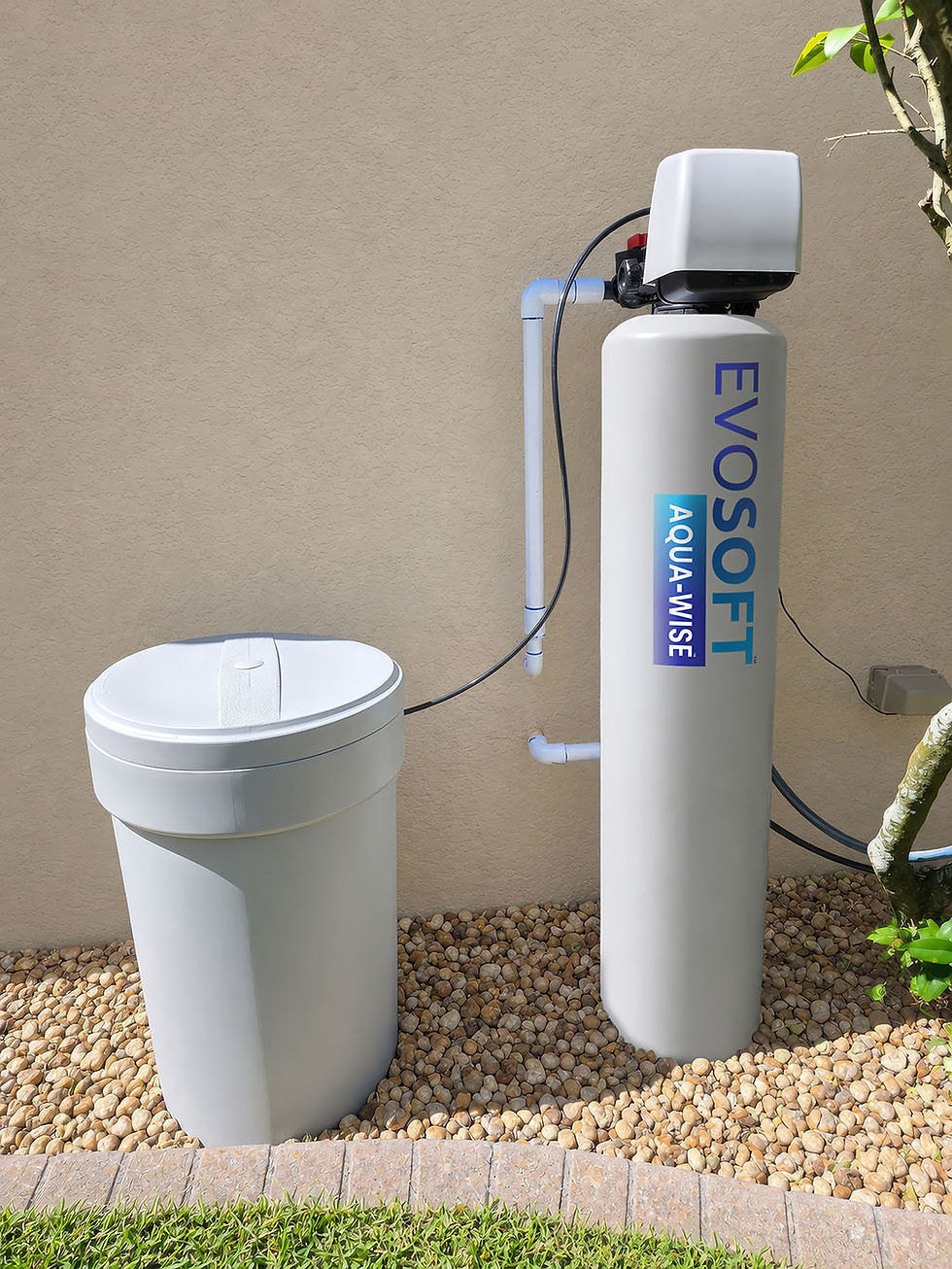
Once we know what's in the water, the most effective approach for extreme hardness is usually a traditional water softener.
Remove calcium and magnesium completely.
Eliminate scale buildup in pipes and appliances.
Deliver true soft water throughout the home.
Improve soap and detergent performance.
Reduce spotting on fixtures and glass.
If sodium is a concern, potassium chloride can be used instead of sodium chloride in most softeners. For drinking water, a reverse osmosis system at the kitchen sink removes sodium along with many other dissolved substances.
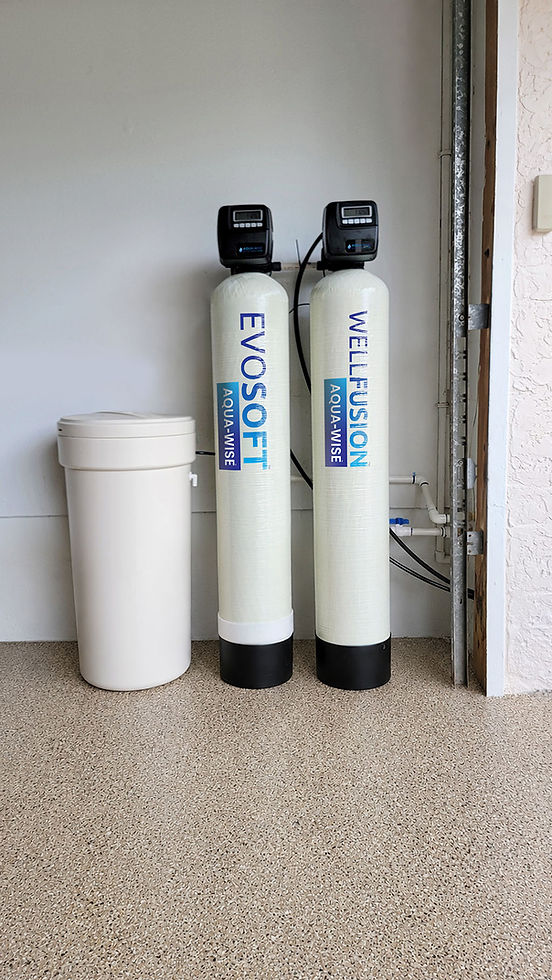
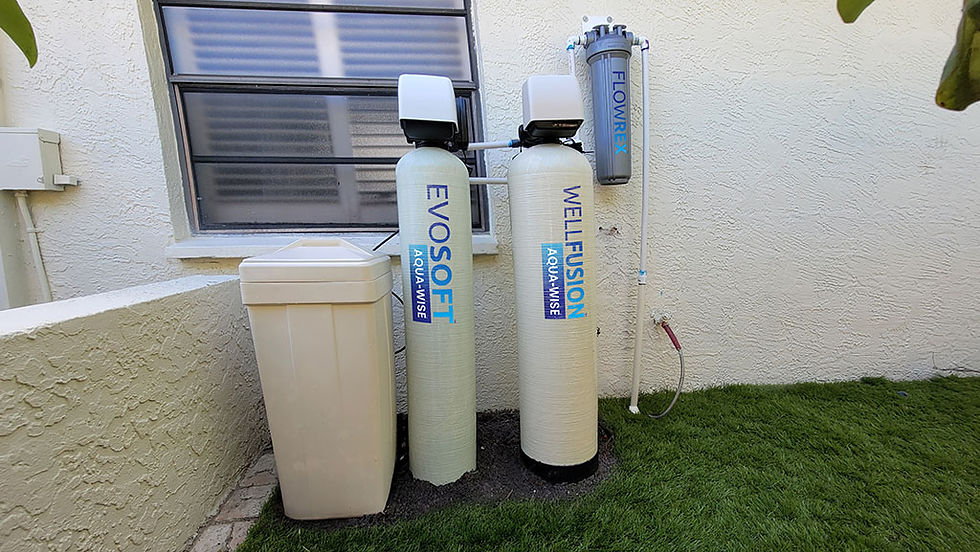
In some cases, a whole-house filtration system like WellFusion™ may be appropriate to address sediment, iron, sulfur, or other well-water issues in combination with a softener. The key is matching the treatment to the actual water chemistry and the homeowner's goals.
Salt-Free Conditioners as Part of a Larger System
There are situations where a salt-free conditioner can play a supporting role.
A homeowner installs a softener for the main house but uses a salt-free conditioner on an irrigation line or outdoor spigot.
A business or facility with specific water-chemistry requirements uses conditioning as a pre-treatment step.
A homeowner softens most of the water but conditions a bypass line for outdoor use or specific appliances.
But as a standalone solution for extremely hard well water throughout a home, a salt-free conditioner typically won't meet expectations.
Frequently Asked Questions
Will a salt-free water conditioner remove hardness from my well water?
No. Salt-free conditioners do not remove calcium and magnesium. They alter the mineral structure to reduce scale formation, but the hardness minerals remain in the water. You'll still experience spotting and reduced soap performance.
Can I use a salt-free conditioner if my well water is over 30 grains per gallon?
You can, but it's unlikely to deliver the results most homeowners expect. At that hardness level, a traditional water softener is usually the more effective choice for protecting plumbing and improving water quality throughout the home.
Do salt-free conditioners require maintenance?
Salt-free conditioners generally require less maintenance than softeners—no salt to add, no regeneration cycles. However, the media can eventually lose effectiveness and may need replacement depending on the system and water conditions. Follow the manufacturer's service recommendations.
Will a salt-free conditioner help with iron or sulfur in my well water?
No. Salt-free conditioners address scale formation from hardness minerals. They do not remove or treat iron, sulfur, manganese, sediment, or bacteria. Those issues require different filtration or treatment methods based on water testing.
Should I test my well water before choosing a treatment system?
Yes. Testing is essential. Hardness is only one factor. Well water can contain iron, manganese, sulfur, bacteria, pH issues, and other contaminants that affect treatment decisions. A complete water test ensures you choose the right system for your specific water chemistry.

Comments