
Bad Taste After Well Pump Installation in Treasure Island, Florida

Updated: 3 days ago
Introduction
You just had a new well pump installed, and now your water tastes terrible. It's frustrating—you expected better water, not worse. This is one of the most common calls I get after homeowners in Treasure Island replace their well pumps.
The good news is that bad-tasting water after a pump installation usually has a clear cause, and in most cases, it's fixable. The key is understanding what changed in your well system and what your water actually contains.
What Usually Causes the Bad Taste
A new well pump can disturb sediment, minerals, and biofilm that have settled inside your well casing over time. When the pump starts running, it pulls that material into your plumbing.
Common causes include:
Sediment and particulate matter stirred up during installation
Iron or manganese that was previously settled but is now suspended
Sulfur bacteria disturbed by the installation process
Plastic or rubber taste from new pump components that haven't been flushed
Changes in water chemistry due to drawing from a different depth in the well.
Sometimes the pump itself introduces taste. New impellers, seals, and drop pipes can leach a temporary plastic or rubbery flavor until they're properly flushed.
Why the Pump Depth and Draw Point Matter
If your new pump was installed at a different depth than the old one, you may be drawing water from a different layer in the aquifer. Water chemistry can vary significantly within the same well depending on depth.
For example, water closer to the surface may have more organic material or tannins. Water from deeper zones might carry higher concentrations of dissolved minerals like iron, manganese, or sulfur compounds.
This isn't a pump defect—it's a change in the source water entering your home.
What I Check First
When a homeowner tells me their water tastes bad after a pump replacement, I start with these steps.
Flush your system thoroughly. Let an outdoor spigot or hose bib run for 20 to 30 minutes to clear out any debris, sediment, or residual tastes from the installation.
Look for cloudiness, discoloration, particles, or an oily film. These clues help narrow down whether you're dealing with sediment, iron, sulfur bacteria, or something else.
A comprehensive well-water test will show you what's actually in the water. I recommend testing for iron, manganese, sulfur (hydrogen sulfide), hardness, pH, total dissolved solids, and bacteria. You can't treat what you haven't measured.
Sometimes the installation process introduces air, sediment, or biofilm from the pressure tank or pipes. Draining and cleaning the pressure tank can help.
If flushing doesn't resolve the problem within a few days, the issue is likely in the water chemistry itself, not just installation debris.
Treatment Options That Actually Work
Once you know what's causing the taste, you can match the treatment to the problem.
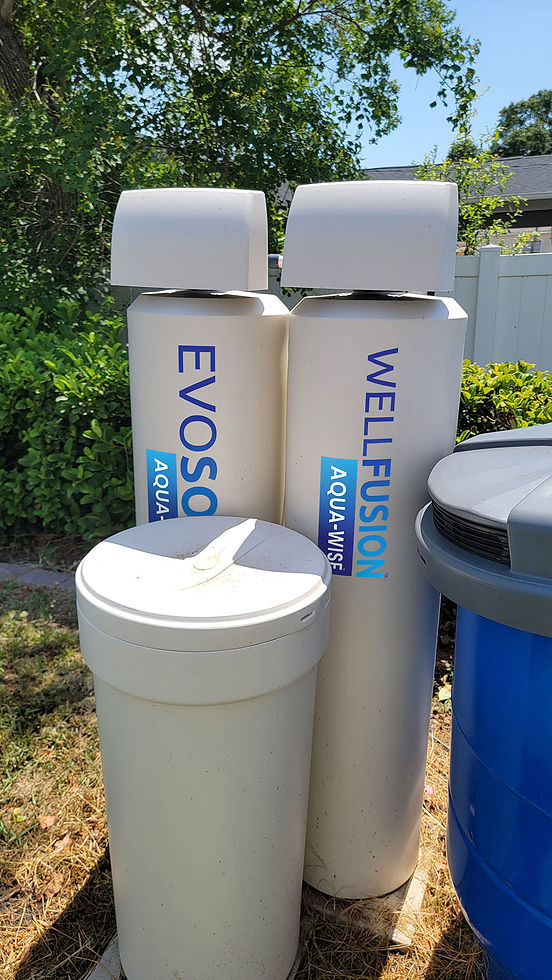
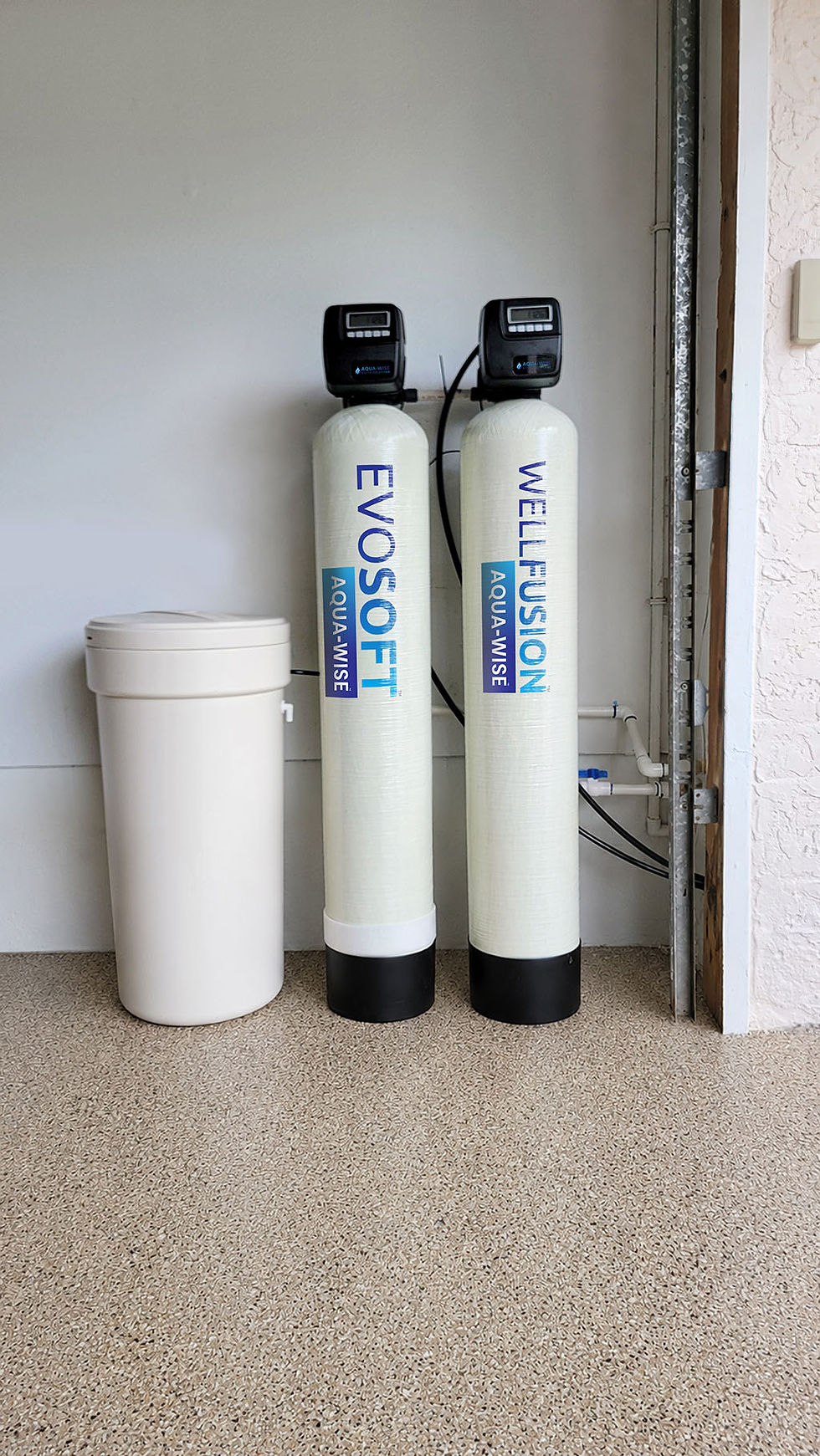
For iron and manganese: A whole-house filtration system designed for well water, such as WellFusion™, can remove dissolved and particulate iron and manganese before they reach your fixtures. These systems typically use oxidation and filtration media tailored to well-water chemistry.
For sulfur odor and taste: Sulfur bacteria or hydrogen sulfide gas requires oxidation, filtration, or both. Depending on concentration and pH, treatment may include aeration, catalytic carbon, or chlorine injection followed by filtration.
For sediment: A sediment filter rated for the appropriate micron range can remove particulate matter. This is often the first stage in a well-water treatment system.
For tannins or organic material: Anion exchange media or activated carbon can reduce the tea-colored tint and earthy taste caused by tannins.
For general taste improvement at the tap: A reverse osmosis drinking water system provides an additional barrier, reducing dissolved solids, residual tastes, and many other contaminants that affect flavor.
Don't assume one filter solves every problem. Well water in Treasure Island can vary widely from one property to the next, and treatment must match your specific water chemistry.
When the Problem Isn't the Pump
Sometimes homeowners assume the pump caused the problem when the real issue is that the old pump was failing and only drawing a trickle of water—masking an existing water-quality issue.
Now that the new pump is working properly and delivering full flow, you're noticing what was always there.
In these cases, the solution isn't pump-related. You need water treatment designed for the contaminants your well actually contains.
What to Do Next
If your water still tastes bad after flushing the system, get it tested. Guessing leads to expensive mistakes—like installing a softener when the real problem is sulfur, or adding carbon when you need iron filtration.
Once you have test results, you can design a treatment system that addresses your specific water chemistry. A properly sized and selected system will give you clean, great-tasting water for years.
If you're not sure where to start, a water treatment professional can walk you through the results, explain what each contaminant means, and recommend a solution that fits your household's needs and your well's output.
Frequently Asked Questions
Why does my well water taste like plastic after pump installation?
New pump components such as impellers, seals, and drop pipes can leach a temporary plastic taste. Flushing the system for 20 to 30 minutes usually clears this. If it persists, test the water to rule out other causes.
Can a new well pump change my water quality?
Yes, if the new pump draws from a different depth or disturbs sediment and minerals in the well casing. Water chemistry can vary within the same well depending on the draw point and aquifer layer.
How long should I flush my well after pump replacement?
Flush for at least 20 to 30 minutes using an outdoor spigot. If the water remains discolored, cloudy, or bad-tasting after several days of normal use, the issue likely requires testing and treatment.
Will a water softener fix bad-tasting well water?
Not necessarily. Water softeners address hardness but do not remove iron, sulfur, tannins, or sediment. Treatment must match the actual contaminants in your water, which requires testing.
What well water test should I get after a pump installation?
Test for iron, manganese, hardness, pH, sulfur, total dissolved solids, and bacteria at minimum. A comprehensive test helps identify the specific cause of taste problems and guides appropriate treatment.

Comments