

Biofilm in Residential Well Systems in Ruskin, Florida

Introduction
If you've noticed a slimy coating inside your toilet tank, a strange film on fixtures, or persistent musty odors even after cleaning, you may be dealing with biofilm in your well water system. Biofilm is a common issue in residential well systems, and understanding what it is and how to address it can help protect your water quality and plumbing in Ruskin, Florida.
As a Certified Water Specialist working with well systems throughout the area, I often encounter homeowners who are surprised to learn that biofilm can develop even in wells that appear clean. The good news is that with proper identification and treatment, biofilm problems can be effectively managed.
What Biofilm Actually Is
Biofilm is a collection of microorganisms—primarily bacteria—that attach to surfaces and produce a protective slime layer. Think of it as a microscopic community that builds its own shelter.
In well water systems, biofilm typically forms on the interior surfaces of well casings, pipes, pressure tanks, and treatment equipment. The bacteria secrete a sticky substance called extracellular polymeric substance, or EPS, which helps them adhere to surfaces and protects them from disinfectants and other threats.
Biofilm can harbor various types of bacteria, including iron bacteria, sulfur bacteria, and other naturally occurring microorganisms. These bacteria don't necessarily make the water unsafe to drink, but they create problems that affect water quality, system performance, and household comfort.
The formation process is gradual. A few bacteria attach to a surface, multiply, produce their protective coating, and attract additional microorganisms. Over time, this creates a thick, slimy layer that can be difficult to remove.
How Homeowners Notice Biofilm Problems
Biofilm doesn't always announce itself clearly, but there are several signs that suggest its presence in a well system.
Many homeowners first notice a slimy coating inside the toilet tank. This film may be brown, reddish, black, or gray, depending on the types of bacteria involved. The coating returns even after thorough cleaning.
You might also see:
Persistent musty, earthy, or rotten-egg odors in the water - Discolored water, particularly after the system hasn't been used for several hours - Reduced water pressure as biofilm accumulates in pipes - Staining on fixtures, laundry, or sinks - Slime in the bottom of water treatment tanks or filters - Shortened filter life as biofilm clogs media.
In Ruskin well systems, iron bacteria are particularly common contributors to biofilm. These bacteria feed on dissolved iron in the groundwater and produce a characteristic rust-colored slime and oily sheen on water surfaces.
Why Biofilm Develops in Well Systems
Biofilm formation requires three basic conditions: bacteria, a surface to attach to, and nutrients to support growth.
Well water naturally contains bacteria. Even wells that are properly constructed and maintained will have some level of microbial presence. These bacteria enter the well through the aquifer, surface infiltration, or during well construction and maintenance.
The interior surfaces of well casings, pipes, and tanks provide ideal attachment points. Any surface in contact with water can support biofilm growth, especially in areas with low flow or stagnant conditions.
Nutrients come from minerals dissolved in the groundwater. Iron and manganese are particularly important for iron bacteria and manganese-oxidizing bacteria. Sulfur compounds support sulfur bacteria. Organic matter, even in small amounts, can also feed biofilm development.
Well systems with intermittent use, dead-end pipes, oversized pressure tanks, or areas of low flow are especially prone to biofilm problems because bacteria have more time to attach and multiply without being flushed away.
Common Misunderstandings About Biofilm
Many homeowners assume that biofilm means their well is contaminated or unsafe. While biofilm should be addressed, the bacteria that form most well-water biofilms are not typically the same organisms that cause illness.
Iron bacteria, sulfur bacteria, and similar organisms are nuisance bacteria. They create aesthetic and operational problems but are generally not considered health hazards. That said, biofilm can potentially harbor other microorganisms, so testing is important if you suspect contamination.
Another misconception is that chlorine shock treatment alone will permanently eliminate biofilm. While shock chlorination can kill bacteria, the protective slime layer makes biofilm resistant to disinfection. Bacteria deep within the biofilm may survive, and the problem often returns within weeks or months.
Some homeowners believe that installing a water softener will prevent biofilm. Water softeners address hardness minerals like calcium and magnesium, but they don't remove bacteria or prevent biofilm formation. In fact, biofilm can develop inside softener tanks if the system isn't properly maintained.
Approaches for Biofilm Treatment
Effective biofilm management requires both removal of existing buildup and prevention of future growth.
The first step is confirming that biofilm is actually the problem. I recommend having your water tested for bacteria, iron, manganese, and other relevant parameters. A laboratory test can identify the specific organisms present and guide treatment decisions.
Physical removal is often necessary for established biofilm.
Professional well cleaning and disinfection - Brushing or scrubbing accessible surfaces - Removing and cleaning pressure tanks and treatment equipment - Flushing the entire distribution system.
Shock chlorination should follow physical cleaning. This involves introducing a concentrated chlorine solution into the well and distribution system, allowing it to contact all surfaces, then flushing thoroughly. The process may need to be repeated.
For ongoing prevention, continuous disinfection is often the most reliable approach.
Chlorination systems that inject a controlled amount of chlorine into the water - Ultraviolet disinfection systems that kill bacteria as water passes through - Ozone treatment systems.
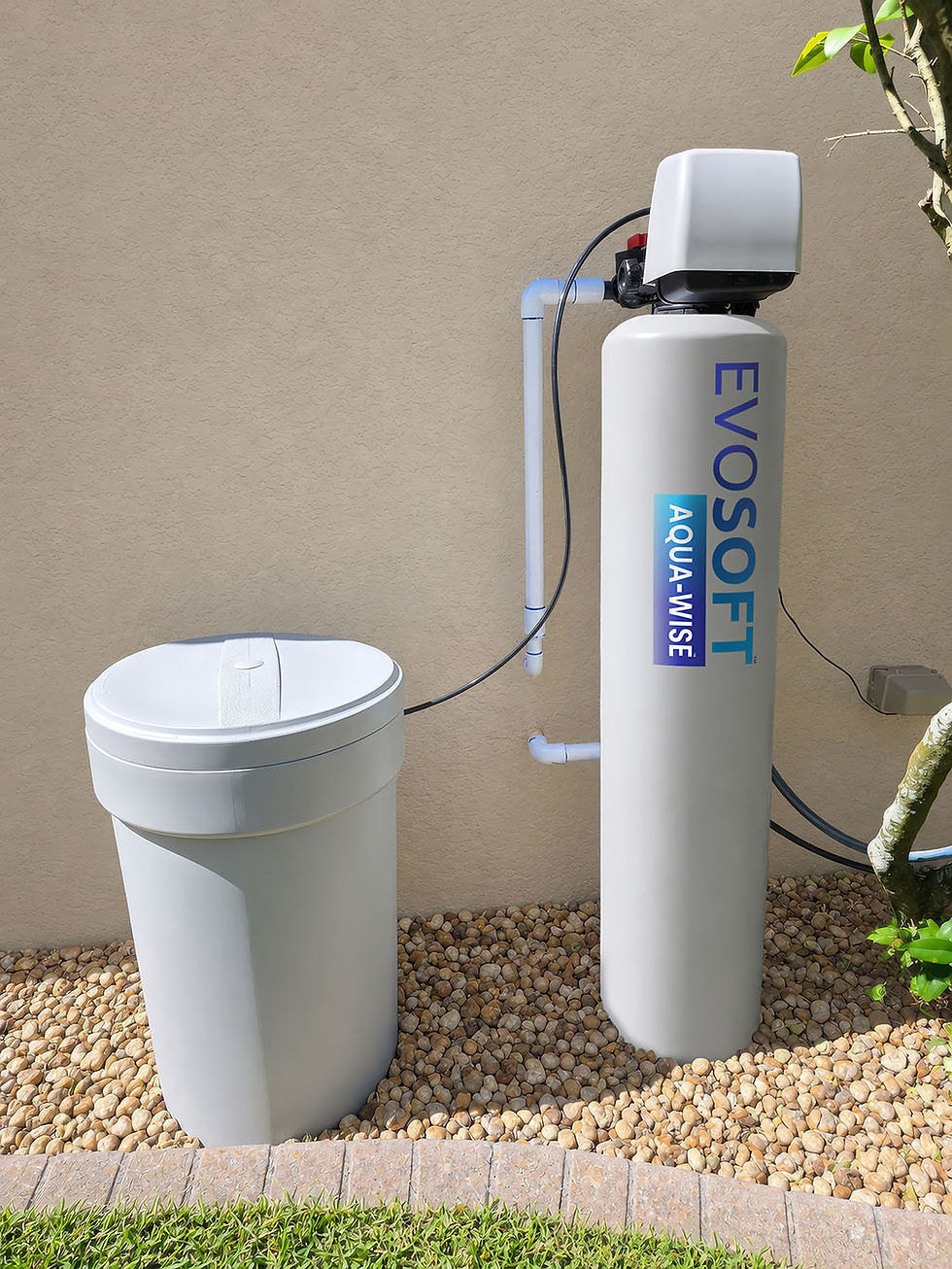
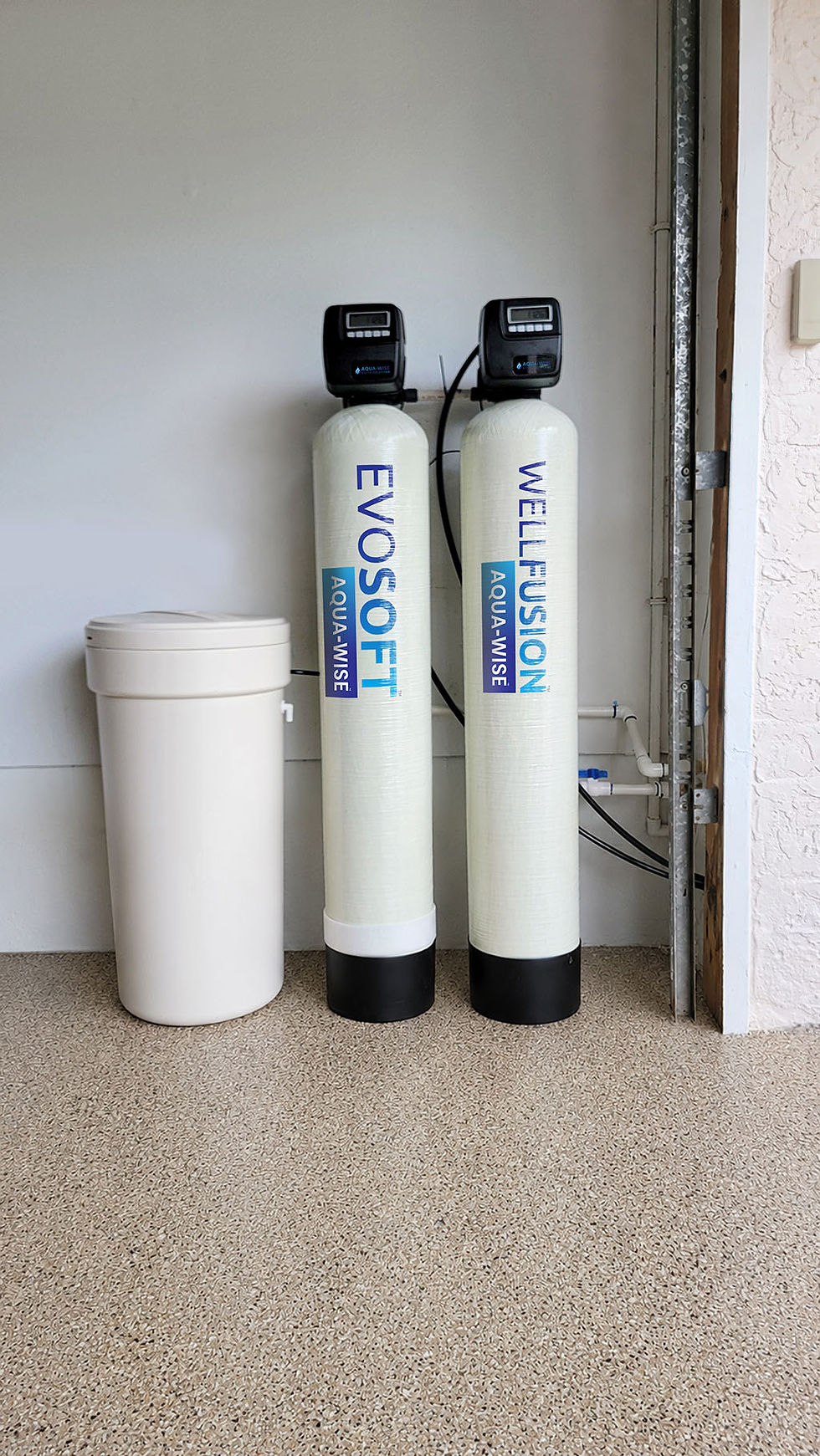
Filtration is also important. Systems like the WellFusion™ whole-house filtration platform can include multiple stages of treatment designed to address the specific chemistry of well water, including iron, manganese, and sediment that support biofilm growth.
The most effective approach typically combines disinfection to control bacteria with filtration to remove the nutrients that feed biofilm development. The right combination depends on your specific water chemistry and system configuration.
How I Approach Biofilm Cases
When a homeowner contacts me about possible biofilm, I start with a few key questions.
When did you first notice the problem?
Where do you see slime or discoloration?
Are there odors, and if so, what do they smell like?
How old is the well, and when was it last serviced?
Do you have any existing water treatment equipment?
I recommend getting a comprehensive water test that includes bacteria, iron, manganese, hardness, pH, and other relevant parameters.
If biofilm is confirmed, we'll need to assess the extent of the problem. Sometimes it's limited to a pressure tank or a section of pipe. Other times, the entire well system needs attention.
In many cases, professional well cleaning followed by appropriate treatment equipment provides long-term control. The goal isn't necessarily to eliminate every bacterium—that's not realistic or necessary—but to keep biofilm from building up to the point where it causes problems.
Regular maintenance is essential. Even the best treatment system needs periodic service to remain effective. For well systems prone to biofilm, I typically recommend annual inspections and testing to catch problems early.
Frequently Asked Questions
Is biofilm in well water dangerous to drink?
Most biofilm in residential wells is formed by nuisance bacteria like iron or sulfur bacteria, which are not considered health hazards.
Can I remove biofilm myself?
You can clean accessible surfaces like toilet tanks, but biofilm inside the well casing, pipes, and pressure tank typically requires professional cleaning and disinfection. DIY shock chlorination often provides only temporary relief without physical removal.
Will a water softener prevent biofilm?
No. Water softeners remove hardness minerals but do not address bacteria or the iron and manganese that support biofilm growth. Biofilm can even develop inside softener tanks if they're not properly maintained.
How long does biofilm treatment last?
Shock chlorination alone often provides relief for only a few weeks or months. Long-term control typically requires continuous disinfection, appropriate filtration, and regular maintenance to prevent biofilm from re-establishing.
What causes the reddish slime in my toilet tank?
That's typically iron bacteria biofilm. These bacteria feed on dissolved iron in well water and produce a characteristic rust-colored, slimy coating.

Comments