

Common Well Water Contaminants in Tampa, Florida: A Homeowner's Guide

Introduction
If you're on well water in Tampa, you're responsible for your own water quality. Unlike municipal systems that publish annual reports, private wells require homeowners to test, monitor, and treat their water.
I test well water throughout the Tampa area, and the contaminants I see vary widely from one property to the next. Some wells produce clean water with minimal treatment needs. Others require comprehensive filtration to address iron, sulfur, hardness, bacteria, or a combination of issues.
Understanding what might be in your well—and how to identify it—helps you make informed decisions about testing and treatment.
Common Well Water Contaminants in Tampa
Well water quality depends on the aquifer, depth, geology, and surrounding land use. In Tampa and the surrounding area, the most common well water concerns include.
Hardness: Dissolved calcium and magnesium that cause scale buildup, soap issues, and spotting on fixtures and glassware.
Iron: Often appears as reddish-brown staining on sinks, toilets, and laundry. Can exist in soluble or particulate form.
Manganese: Causes black or purple staining and can affect taste. Often occurs alongside iron.
Hydrogen sulfide: Produces a rotten-egg odor. Not typically a health concern at low concentrations, but unpleasant and corrosive to plumbing.
Tannins: Organic compounds that can cause yellow or tea-colored water and may contribute to taste or odor issues.
Bacteria: Coliform bacteria and E. coli indicate potential contamination from surface water or septic systems. Testing is essential after well installation, repairs, or flooding.
Nitrates: Can enter groundwater from fertilizers, septic systems, or agricultural runoff. Elevated nitrate levels are a health concern, particularly for infants.
Total dissolved solids (TDS): A general measure of dissolved minerals. High TDS doesn't always mean unsafe water, but it can affect taste and appliance performance.
Not every well has every problem. Some Tampa-area wells produce excellent water with only minor hardness. Others require multiple treatment stages.
How Contaminants Affect Your Home
Well water issues show up in everyday life before you ever see a lab report.
Hardness leaves white scale on faucets, showerheads, and inside appliances. Soap doesn't lather well, and laundry may feel stiff.
Iron stains everything it touches—toilets, sinks, driveways, and clothing. Even low concentrations can cause visible problems.
Sulfur odor makes water unpleasant to drink, cook with, or shower in. The smell can linger in fabrics and throughout the home.
Bacteria may not produce visible signs, but contaminated water poses health risks. Testing is the only way to know.
Tannins discolor water and can interfere with other treatment equipment, particularly softeners and iron filters.
These problems don't always appear immediately. A well that tested clean five years ago can develop contamination from changes in the aquifer, nearby land use, or well integrity.
Why Testing Comes First
I won't recommend a treatment system without knowing what's in the water.
A water softener addresses hardness but won't remove iron, bacteria, or sulfur. An iron filter may help with ferrous iron but not manganese or hardness. Reverse osmosis treats drinking water at one tap but doesn't address whole-house issues.
Treating the wrong problem—or treating a problem that doesn't exist—wastes money and leaves the actual issue unresolved.
For a new well or a home purchase, I recommend testing for:
Coliform bacteria and E. coli
Nitrate and nitrite
pH
Hardness
Iron and manganese
Sulfate and hydrogen sulfide
Total dissolved solids
Arsenic (depending on location and well depth).
If you notice specific problems—staining, odor, or discoloration—additional testing may be necessary to identify the exact contaminant and concentration.
Testing should be performed by a certified laboratory. Home test kits can provide general guidance but often lack the accuracy needed for treatment decisions.
Treatment Options for Well Water Contaminants
Once you know what's in the water, treatment can be matched to the actual problem.
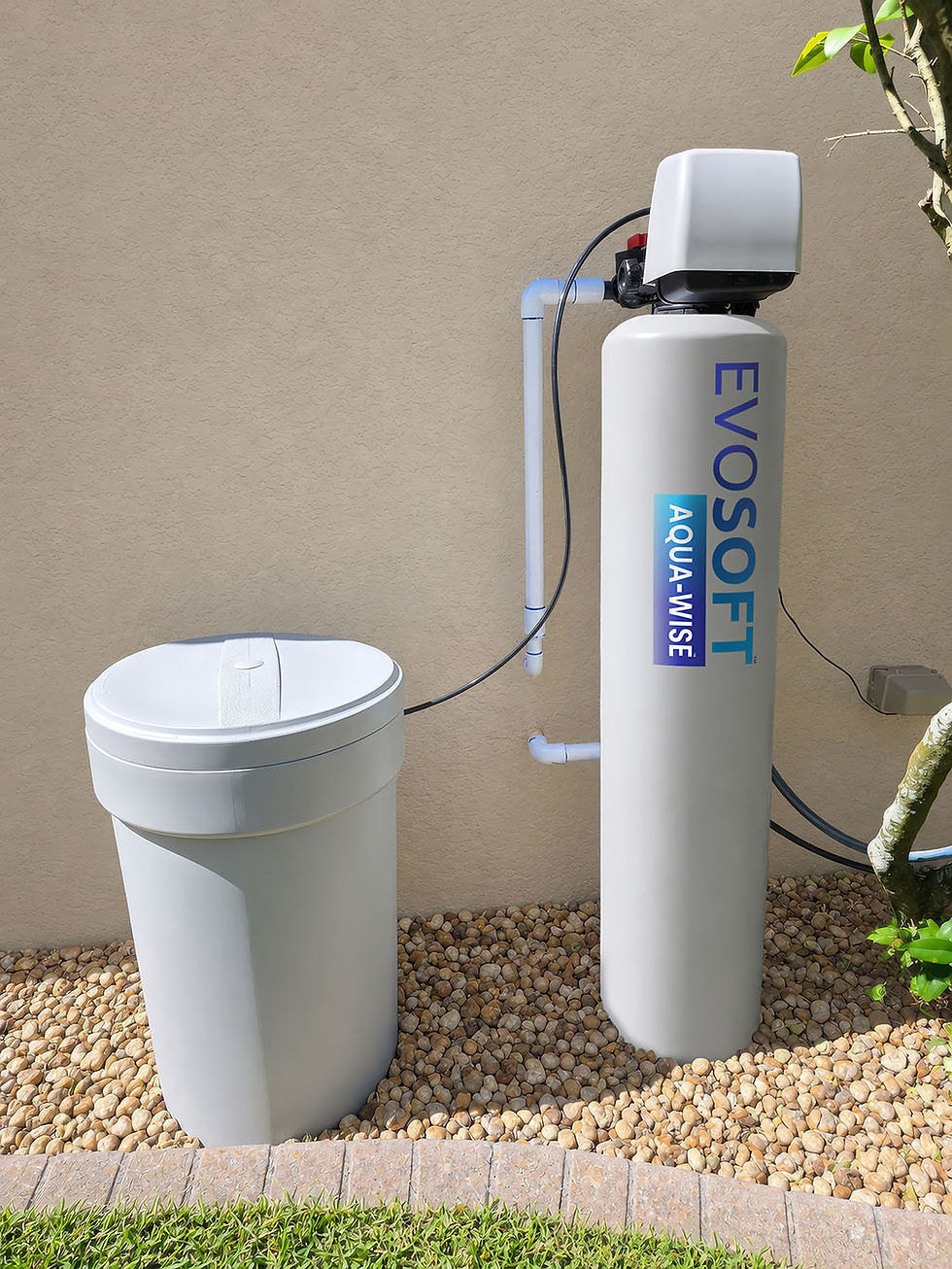
Water softeners use ion exchange to remove hardness. They're effective for calcium and magnesium but don't address iron, sulfur, or bacteria.
Iron and manganese filters oxidize and filter out these metals. The right system depends on the form of iron (ferrous or ferric), concentration, pH, and whether manganese is also present.
Activated carbon filters can reduce chlorine, certain organic compounds, and some taste and odor issues. Catalytic carbon is often used for hydrogen sulfide removal.
Reverse osmosis systems treat drinking water by reducing a wide range of dissolved contaminants, including nitrates, arsenic, and total dissolved solids. These systems are typically installed at the kitchen sink, not for whole-house use.
UV disinfection inactivates bacteria and viruses. It's often used after filtration to ensure microbiologically safe drinking water.
Sediment filters remove particulate matter such as sand, silt, and rust. They're often the first stage in a multi-component system.
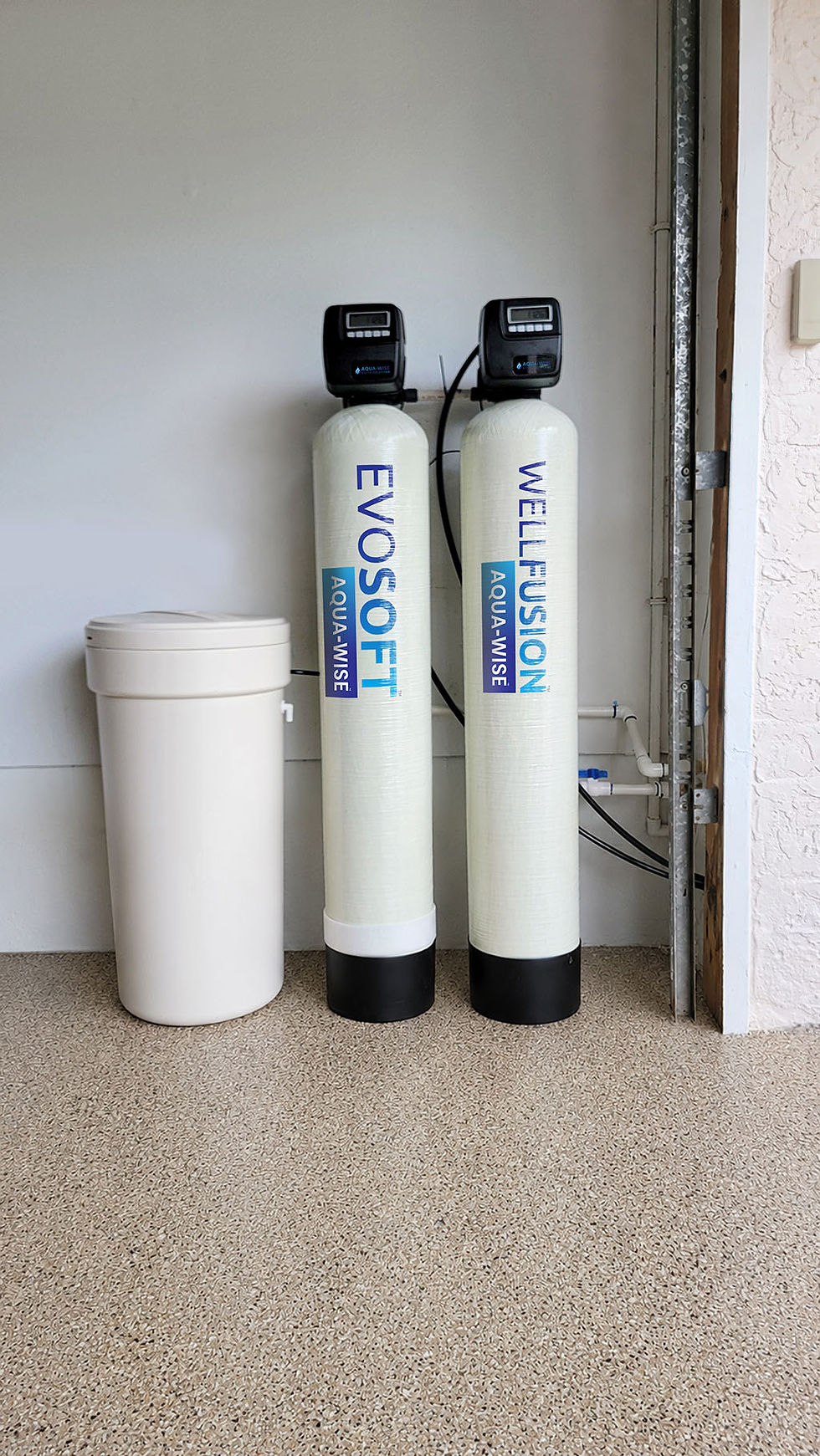
In many cases, well water treatment requires more than one technology. A system might combine sediment filtration, iron removal, softening, and UV disinfection depending on the test results.
The WellFusion™ system integrates multiple treatment stages in a single platform, designed specifically for well water applications where several contaminants need to be addressed together.
If you're on well water in Tampa and haven't tested recently, start there.
Have your water analyzed by a certified lab. Bring the results to a water treatment professional who can interpret the data and recommend appropriate equipment.
If you're already experiencing staining, odor, or other problems, mention those symptoms when you request testing. Some contaminants require specific test methods that aren't included in standard panels.
Don't assume your water is safe because it looks and tastes fine. Bacteria, nitrates, and some metals have no taste, odor, or color.
And don't assume you need expensive equipment without understanding the problem. Sometimes a simple sediment filter or a single-stage iron system is all that's required.
Well water quality can change over time. Retesting every few years—or after any event that could affect your well—helps you stay ahead of problems before they damage your home or affect your health.
Frequently Asked Questions
What are the most common contaminants in Tampa well water?
Hardness, iron, manganese, and hydrogen sulfide are frequently encountered in Tampa-area wells. Bacteria and nitrates can also be present depending on well depth, location, and surrounding land use.
How often should I test my well water?
Test annually for bacteria and nitrates at minimum. Test every few years for a broader panel including hardness, iron, manganese, pH, and total dissolved solids.
Can a water softener remove iron from well water?
Water softeners can handle very low levels of clear-water (ferrous) iron, but they're not designed as iron filters. Higher iron concentrations or particulate iron require dedicated oxidation and filtration equipment.
Is well water with a sulfur smell safe to drink?
Hydrogen sulfide produces a rotten-egg odor and is typically not a health concern at the concentrations that cause noticeable smell. However, odor alone doesn't confirm water safety.
Do I need a whole-house system or just a drinking water filter?
That depends on what the testing shows and where the problems appear. Hardness, iron, and sulfur affect every fixture and appliance, so whole-house treatment makes sense.

Comments