
How Often Should I Test My Well Water in Seminole, Florida?

Introduction
If you're on well water in Seminole, Florida, you're responsible for your own water quality. Unlike municipal systems that test and treat water before it reaches your home, private wells require homeowners to monitor what's coming out of the ground. The question I hear most often is: how often should you actually test?
The answer depends on your well's history, your household situation, and what's happening around your property. But there are clear guidelines that give most homeowners a practical starting point.
Annual Testing Is the Baseline
At minimum, I recommend testing your well water once per year for basic water-quality indicators.
Total coliform bacteria
E. coli
Nitrate
pH
Total dissolved solids
Hardness
Iron
Manganese
This baseline helps you track whether your water chemistry is stable or changing over time. Even if your water looks, tastes, and smells fine, annual testing catches problems before they become obvious.
Many homeowners assume that clear water means safe water. That's not always true. Bacteria, nitrate, and other contaminants can be present without any noticeable sign.
When to Test More Frequently
Certain situations call for testing more than once per year.
After heavy rainfall or flooding: Surface water can infiltrate poorly sealed wells, bringing bacteria and contaminants with it. If your area experiences significant flooding or your well has been submerged, test as soon as conditions allow.
New baby or pregnant household member: Nitrate is especially concerning for infants and pregnant women. If your household situation changes, retest for nitrate even if your last annual test was recent.
Changes in taste, odor, or appearance: If your water suddenly smells like sulfur, tastes metallic, or looks cloudy or discolored, test immediately. These changes often signal a shift in water chemistry or a problem with your well system.
Nearby land use changes: New septic systems, agricultural activity, construction, or industrial operations near your property can affect groundwater. When land use changes within a few hundred feet of your well, test to establish a new baseline.
After well maintenance or repairs: Any time your well is opened for service, pump replacement, or repairs, bacteria can be introduced. Test for coliform and E. coli after the work is complete and the well has been disinfected.
Recurring gastrointestinal illness: If anyone in your household experiences unexplained stomach issues, nausea, or diarrhea, test for bacteria and consider a more comprehensive analysis.
What a Standard Test Misses
Annual testing covers the most common well-water concerns, but it doesn't test for everything.
Arsenic
Lead
Radon
Volatile organic compounds (VOCs)
Pesticides or herbicides
PFAS (per- and polyfluoroalkyl substances)
These contaminants aren't always present, but they can occur in certain geological conditions or near specific contamination sources. I usually recommend testing for these at least once when you first move into a home with well water, and then periodically based on risk factors.
If your property is near farmland, industrial sites, airports, or former manufacturing areas, talk with a water professional about which additional tests make sense.
How Testing Guides Treatment
Testing isn't just about knowing what's in your water—it's about choosing the right treatment when you need it.
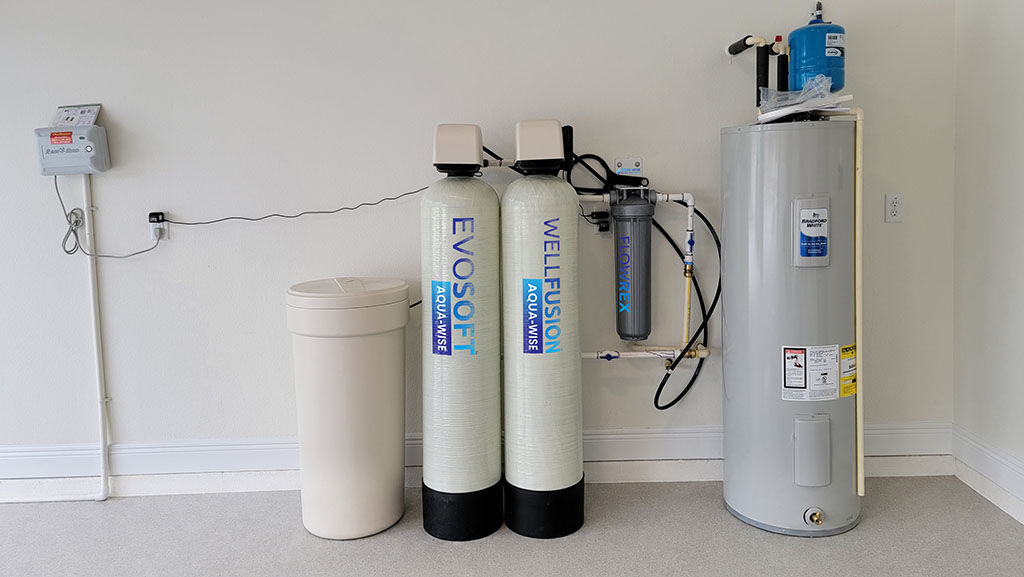
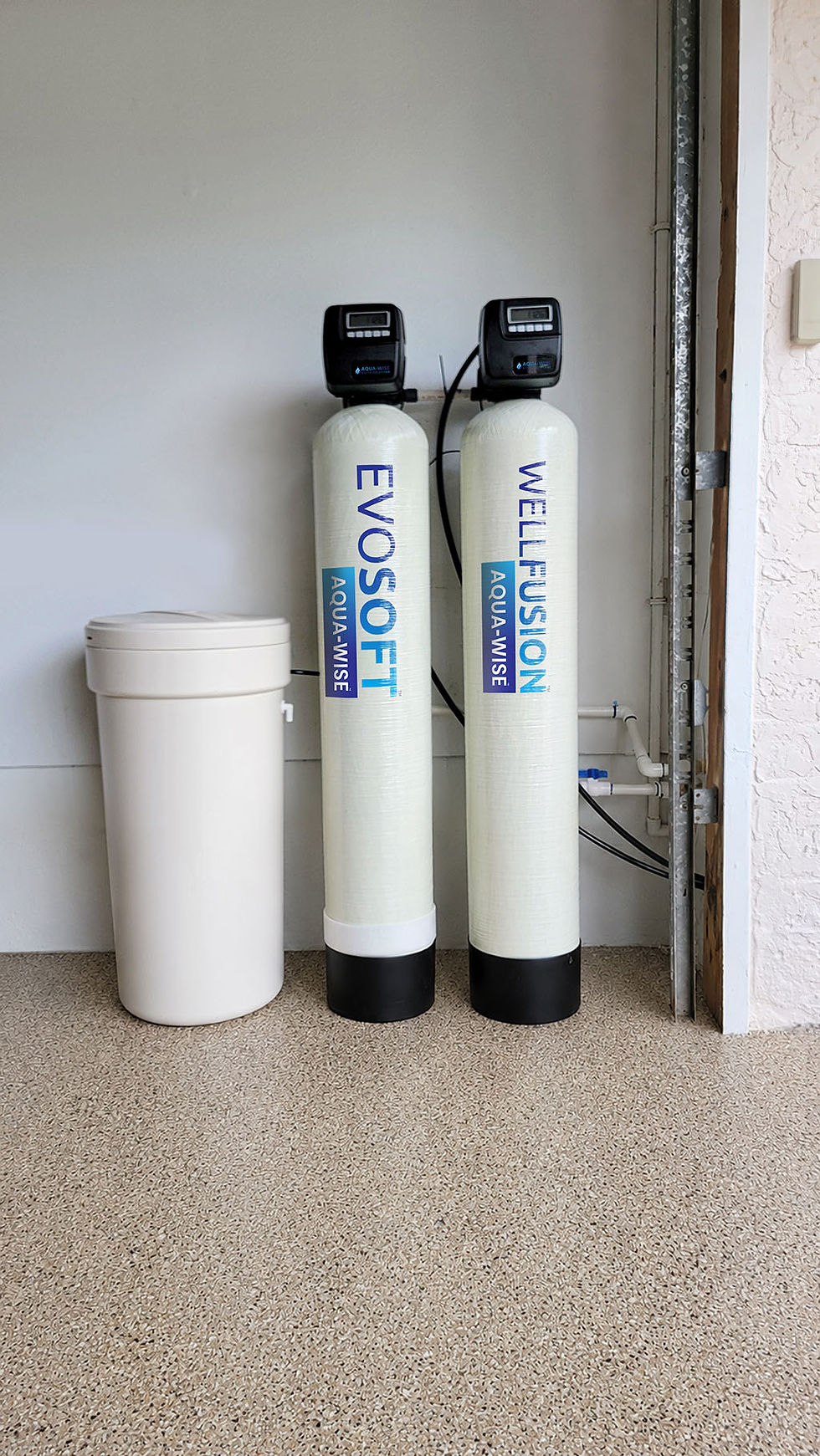
For example, if your test shows high iron and manganese, a system like WellFusion™ can address both through oxidation and filtration. But if your water also shows bacteria, you'll need disinfection, possibly through UV treatment or chlorination, in addition to filtration.
Hardness, pH, and total dissolved solids affect how treatment systems perform. Knowing these values helps size equipment correctly and set realistic expectations.
I've seen homeowners spend money on equipment that doesn't match their water chemistry because they skipped testing or relied on assumptions. A water softener won't remove bacteria. A sediment filter won't reduce nitrate. Reverse osmosis treats drinking water, not the whole house.
Treatment works when it's based on measured data, not guesswork.
What I Would Check First
If you haven't tested your well in over a year, start with a standard bacteria and chemistry panel from a certified laboratory. Avoid home test kits for anything related to health—they're useful for tracking hardness or pH, but not reliable for bacteria or contaminants that affect safety.
In Florida, your county health department or a state-certified laboratory can perform well-water testing. Bring a clean sample bottle, follow the collection instructions carefully, and get results from a lab that follows EPA-approved methods.
Once you have your results, review them with someone who understands well-water treatment. Some results require immediate action. Others just need monitoring.
If your water shows bacteria, don't drink it until the problem is identified and corrected. If it shows elevated nitrate and you have an infant in the home, use bottled water for formula preparation until the issue is resolved.
For aesthetic issues like hardness, iron, or sulfur odor, treatment improves your water quality and protects your plumbing and appliances, but these aren't usually urgent health concerns.
Testing gives you the information you need to make informed decisions. It's the foundation of responsible well ownership.
Frequently Asked Questions
How much does well water testing cost in Seminole, Florida?
A basic bacteria and chemistry panel typically costs between $150 and $300 depending on the laboratory and the number of parameters tested. More comprehensive testing for contaminants like arsenic, VOCs, or PFAS will cost more.
Can I test my own well water at home?
Home test kits are available for parameters like hardness, pH, and iron, and they're useful for tracking changes. But for bacteria and health-related contaminants, always use a state-certified laboratory to ensure accurate, reliable results.
What does it mean if my well water tests positive for coliform bacteria?
Total coliform bacteria indicate that your well may be vulnerable to surface contamination. It doesn't always mean the water is unsafe, but it does require follow-up testing for E. coli and an inspection of your well to identify the contamination source.
Do I need to test for PFAS in my well water?
PFAS testing isn't part of standard well-water panels, but it's worth considering if your property is near an airport, military base, industrial site, or area with known PFAS contamination. Testing costs more, but it's the only way to know if PFAS is present.
How long does it take to get well water test results?
Most certified laboratories return results within 5 to 10 business days. Bacteria results are often available sooner, sometimes within 24 to 48 hours. Specialized tests for contaminants like PFAS or VOCs may take longer.

Comments