

How to Disinfect Well Water in San Antonio, Florida

Introduction
Well water disinfection protects your household from bacteria, viruses, and other microbiological contaminants that can enter private water supplies. In San Antonio, Florida, many homeowners rely on private wells and need to understand when disinfection is necessary and which treatment methods work for their specific water chemistry.
I'm Eli, owner of Aqua-Wise Water Treatment and a Certified Water Specialist. I work with well owners throughout Florida to design treatment systems based on actual water testing, not guesswork. Disinfection is essential when testing confirms the presence of coliform bacteria, E. coli, or other pathogens, but the right method depends on your water quality, flow requirements, and household needs.
When Well Water Disinfection Is Necessary
Not every well requires continuous disinfection. The decision should be based on laboratory testing, not assumptions.
Test your well water if you notice:
Gastrointestinal illness in household members
Recent flooding or surface water intrusion near the wellhead
Construction, repairs, or maintenance work on the well
Changes in water taste, odor, or appearance
Nearby septic system problems
Positive bacteria test results from a previous sample.
A certified laboratory test for total coliform and E. coli is the starting point. If bacteria are detected, disinfection becomes necessary. If your water tests clean but you have concerns about well integrity or seasonal contamination risk, periodic testing and conditional treatment may be appropriate.
Understanding Well Water Disinfection Methods
Several technologies can disinfect well water effectively. Each has specific applications, and the best choice depends on your water chemistry and system design.
Ultraviolet (UV) disinfection uses UV-C light to inactivate bacteria, viruses, and protozoa as water flows through a chamber. UV systems are effective when water is clear and free of turbidity, iron, manganese, and hardness that can shield microorganisms or coat the UV lamp sleeve. UV provides no chemical residual and requires pre-filtration in many well-water applications.
Chlorination introduces chlorine into the water supply, either through continuous feed systems or shock chlorination. Continuous chlorination provides a disinfectant residual throughout the plumbing system and can address iron, manganese, and sulfur when designed properly. Chlorine must be followed by contact time and often requires activated carbon filtration to remove residual chlorine and taste before use.
Ozonation generates ozone gas that disinfects water and oxidizes iron, manganese, and sulfur. Ozone systems require proper design to account for water chemistry, including the potential formation of byproducts such as bromate when bromide is present. Ozone does not leave a persistent residual, so it must be applied at the point of treatment with adequate contact time.
Shock chlorination is a temporary well disinfection procedure used after well construction, repair, or contamination events. It involves introducing a high concentration of chlorine into the well, allowing contact time, and flushing the system. Shock chlorination is not a substitute for continuous treatment when ongoing contamination is present.
What Disinfection Does Not Do
Disinfection addresses microbiological contaminants but does not remove dissolved minerals, heavy metals, or many chemical contaminants.
If your water also has:
Hardness
Iron or manganese staining
Sulfur odor
High total dissolved solids
Nitrate
Arsenic
PFAS.
You will need additional treatment stages designed for those specific issues. A complete well-water treatment system often combines sediment filtration, oxidation or softening, disinfection, and final polishing to address the full range of water-quality concerns.
Designing a Well Water Treatment System
Effective disinfection requires proper system design and sequencing.
For many San Antonio well owners, a complete treatment approach includes.
Sediment filtration to remove particulate matter that can interfere with disinfection and downstream equipment.
Oxidation or softening if iron, manganese, hardness, or sulfur are present, since these can shield microorganisms and reduce disinfection effectiveness.
Disinfection using UV, chlorination, or ozonation based on water chemistry and flow requirements.
Activated carbon filtration when chlorination is used, to remove residual disinfectant and improve taste.
Final polishing or point-of-use treatment such as reverse osmosis for drinking water if additional contaminant reduction is needed.
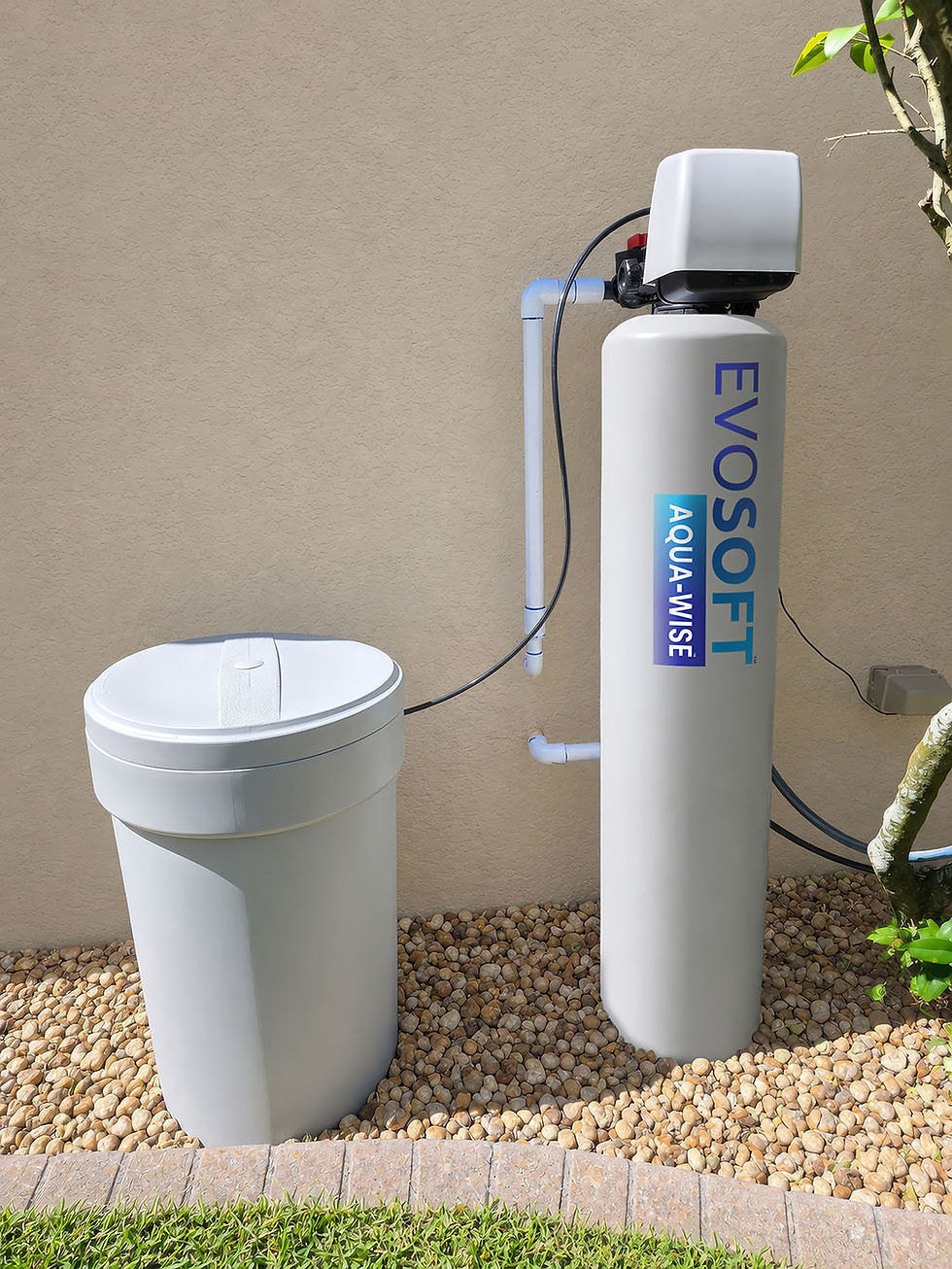
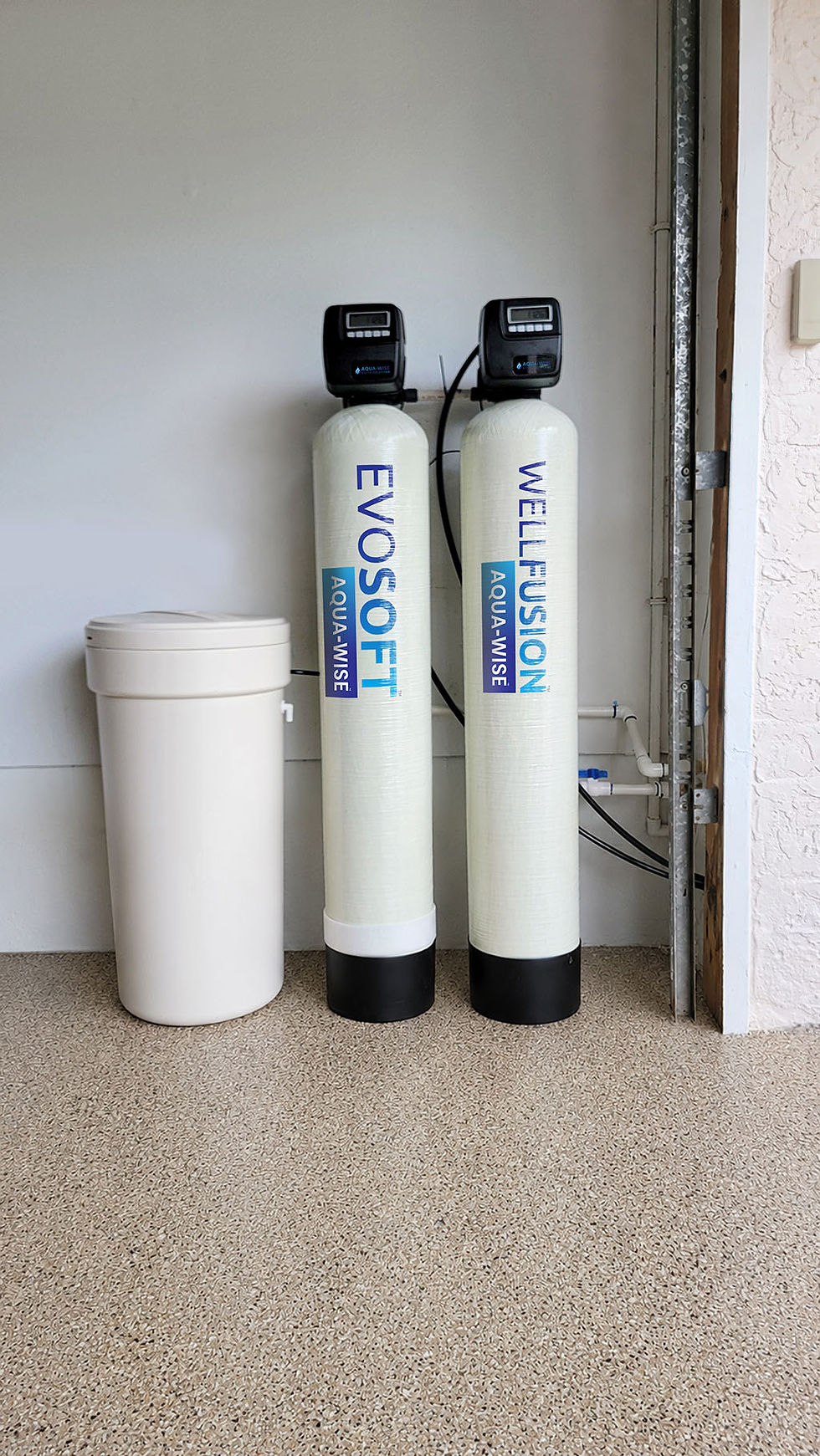
The WellFusion™ system integrates multiple treatment stages in a single platform designed for well-water applications. Proper sizing, media selection, and maintenance schedules depend on your specific water test results and household water usage.
What I Would Check First
Before selecting a disinfection method, I recommend:
Obtain a certified laboratory test for total coliform, E. coli, and any other contaminants of concern.
Test for iron, manganese, hardness, pH, turbidity, and tannins, since these affect disinfection performance.
Inspect the wellhead and casing for potential contamination pathways.
Review your water usage and peak flow requirements to size equipment correctly.
Consider whether you need whole-house disinfection or point-of-use treatment at specific fixtures.
If bacteria are detected, identify and correct the source when possible. Well repairs, improved sealing, or addressing nearby contamination sources may reduce or eliminate the need for continuous treatment.
Disinfection is most effective when it is part of a complete water-treatment strategy based on measured data, not assumptions about what your water contains.
Frequently Asked Questions
Does boiling water disinfect well water effectively?
Boiling water for at least one minute kills bacteria, viruses, and parasites and is effective for emergency disinfection. However, boiling is not practical for whole-house use and does not remove chemical contaminants or improve taste and odor.
How often should I test my well water for bacteria?
Test your well water for coliform bacteria and E. coli at least once per year, and any time you notice changes in water quality, after well maintenance, or following flooding or other contamination events.
Can a water softener disinfect well water?
No. Water softeners remove hardness minerals through ion exchange but do not disinfect water or remove bacteria. If your water contains bacteria, you need a dedicated disinfection system such as UV or chlorination in addition to softening.
Is UV disinfection effective for well water with iron?
UV disinfection is less effective when iron, manganese, hardness, or turbidity is present, because these substances can shield microorganisms and coat the UV lamp sleeve. Pre-treatment to remove these contaminants is usually necessary before UV disinfection.
What is the difference between shock chlorination and continuous chlorination?
Shock chlorination is a temporary high-dose treatment used to disinfect a well after construction, repair, or contamination. Continuous chlorination feeds a low dose of chlorine into the water supply to provide ongoing disinfection and is used when bacteria are consistently present.

Comments