

Hydrogen Sulfide Removal from Well Water in Apollo Beach, Florida

Introduction
If your well water in Apollo Beach smells like rotten eggs, you're likely dealing with hydrogen sulfide gas. This distinctive sulfur odor is one of the most common complaints I hear from well-water homeowners, and while it's unpleasant, it's also treatable once you understand what's causing it and which treatment approach matches your water chemistry.
Hydrogen sulfide is a dissolved gas that forms naturally in groundwater when sulfur-reducing bacteria break down organic material in oxygen-poor environments. The odor can range from faint to overwhelming, and it often becomes more noticeable when you run hot water or first turn on a faucet after the system has been idle.
What Causes Hydrogen Sulfide in Well Water
Hydrogen sulfide enters well water through several pathways. Sulfur-reducing bacteria thrive in wells, water heaters, and plumbing systems where oxygen levels are low. These bacteria convert sulfate—a naturally occurring mineral in many aquifers—into hydrogen sulfide gas.
In some cases, the source is geological. Certain rock formations and soil types contain sulfur compounds that dissolve into groundwater. Wells drilled into these formations can produce water with measurable hydrogen sulfide even without significant bacterial activity.
Another common source is a failing or contaminated water heater. If the odor appears only at hot-water taps, the problem may be inside the tank rather than in the well itself. The sacrificial anode rod, which protects the tank from corrosion, can react with sulfate in the water and produce hydrogen sulfide.
How Hydrogen Sulfide Affects Your Home
The rotten egg smell is the most obvious sign, but hydrogen sulfide can cause other problems throughout your home. It tarnishes silverware, discolors copper and brass fixtures, and leaves dark stains on sinks and laundry. Coffee, tea, and ice can taste or smell off, and the odor can permeate clothing washed in untreated water.
At low concentrations, hydrogen sulfide is primarily a nuisance. However, at higher levels it can corrode metal pipes and fixtures, shortening the life of your plumbing and appliances. Testing is the only way to know how much hydrogen sulfide is present and whether additional contaminants are contributing to the problem.
Testing Before Treatment
Before selecting a treatment system, you need accurate water chemistry data. Hydrogen sulfide is measured in parts per million or milligrams per liter, and the concentration determines which treatment technologies will work effectively.
A basic well-water test should include hydrogen sulfide, pH, iron, manganese, hardness, and total dissolved solids. These parameters interact, and a treatment system designed only for hydrogen sulfide may fail if iron or low pH is also present.
I recommend using a certified laboratory rather than relying solely on test strips. Hydrogen sulfide is volatile and can dissipate quickly, so proper sample collection and handling are important for accurate results.
Treatment Options for Hydrogen Sulfide
Several technologies can remove hydrogen sulfide, and the right choice depends on your water chemistry, flow rate, and whether other contaminants are present.
Oxidation and filtration is one of the most effective approaches for moderate hydrogen sulfide levels. The system injects an oxidizing agent—such as chlorine, hydrogen peroxide, or ozone—into the water, converting dissolved hydrogen sulfide gas into solid sulfur particles. A filter then captures those particles before water enters your home. This method works well when iron and manganese are also present, since oxidation treats all three contaminants.
Catalytic carbon filtration uses specially treated activated carbon to convert hydrogen sulfide into elemental sulfur through a catalytic reaction. This approach works without chemical injection and is effective for low to moderate hydrogen sulfide concentrations. However, the carbon media requires periodic replacement, and the system must be sized correctly for your household's flow rate and contaminant levels.
Aeration exposes water to air, allowing hydrogen sulfide gas to escape before the water reaches your taps. Aeration systems can be simple and chemical-free, but they require adequate ventilation and may not be practical for high concentrations or when other contaminants need treatment.
Shock chlorination is a temporary solution that disinfects the well and plumbing system, killing sulfur-reducing bacteria. This can eliminate or reduce odor caused by bacterial activity, but it's not a permanent fix if the hydrogen sulfide source is geological or if bacteria recolonize the system.
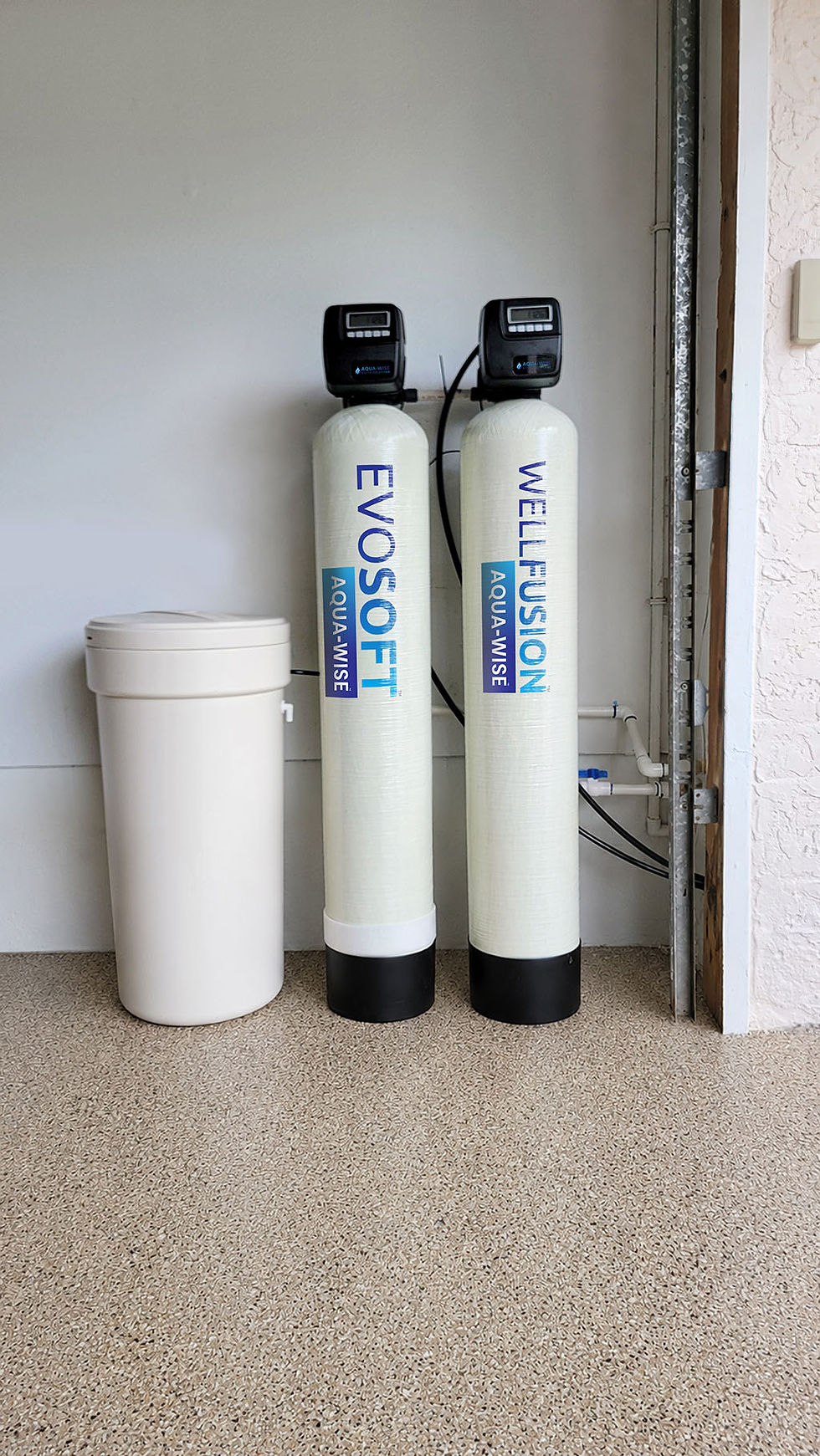
Systems like WellFusion™ are designed to address multiple well-water issues simultaneously, combining oxidation, filtration, and media technologies in a single platform. This integrated approach is useful when hydrogen sulfide coexists with iron, manganese, or other common well-water contaminants.
What I Would Check First
If you're experiencing a sulfur odor, start by determining whether the problem is in the well or the water heater. Run cold water only from several taps and note whether the odor is present. Then run hot water and compare. If the smell appears only with hot water, inspect and potentially replace the anode rod in your water heater or consider switching to a powered anode.
If both hot and cold water smell, the source is likely the well or distribution system. Have your water tested by a certified lab, and make sure the test includes hydrogen sulfide, iron, manganese, pH, and hardness. Share those results with a water-treatment professional who can recommend a system matched to your actual water chemistry.
Don't assume that hydrogen sulfide is the only issue. Many Apollo Beach wells also contain iron or manganese, and treating only one contaminant while ignoring the others can lead to system failure or incomplete treatment.
Frequently Asked Questions
Is hydrogen sulfide in well water dangerous?
At the concentrations typically found in residential well water, hydrogen sulfide is primarily a nuisance due to odor and corrosion. However, testing is necessary to determine the actual concentration and to identify any other contaminants that may be present.
Can a water softener remove hydrogen sulfide?
No. Water softeners are designed to remove hardness minerals like calcium and magnesium through ion exchange. They do not remove dissolved gases such as hydrogen sulfide and may even make odor problems worse in some cases.
Will a carbon filter remove the rotten egg smell?
Standard activated carbon filters are not effective for hydrogen sulfide. Catalytic carbon, which is specially treated, can remove low to moderate levels through a chemical reaction. The system must be properly sized and maintained.
How long does hydrogen sulfide treatment equipment last?
Lifespan depends on the technology, water chemistry, and maintenance. Oxidation and filtration systems can last 10 to 15 years or more with proper service. Media such as catalytic carbon typically requires replacement every few years depending on contaminant load and water usage.
Can I treat hydrogen sulfide at the tap instead of the whole house?
Point-of-use treatment is possible for drinking water, but it won't address odor, staining, or corrosion throughout the rest of your home. Whole-house treatment is usually the better solution when hydrogen sulfide is present in the well.

Comments