

Maintenance Free Well Water Filter in Redington Shores, Florida

Introduction
If you're dealing with orange stains on fixtures, rust-colored water, or metallic-tasting drinking water in Redington Shores, you're likely facing iron contamination in your well water. The question most homeowners ask is whether they can remove iron without adding another maintenance burden to their household routine. As a Certified Water Specialist, I work with well-water homeowners regularly, and the answer depends on understanding what kind of iron you have and choosing the right treatment technology.
A maintenance-free well water filter is possible, but only when the system is matched correctly to your water chemistry. Not every iron problem requires the same solution, and choosing the wrong equipment can mean constant filter changes, backwash cycles, or chemical dosing.
Understanding Iron in Well Water
Iron appears in well water in two primary forms: ferrous iron (dissolved, clear water iron) and ferric iron (oxidized, visible rust particles). Many wells contain both.
Ferrous iron is invisible when the water first comes out of the tap. It oxidizes after exposure to air, leaving orange or brown stains on sinks, tubs, toilets, and laundry. Ferric iron is already oxidized and makes the water appear rusty or cloudy right from the faucet.
Some wells also contain iron bacteria, which feed on iron and create slimy biofilm, odors, and stubborn staining. Iron bacteria require a different treatment approach than dissolved or oxidized iron alone.
Before selecting any treatment system, testing is essential. You need to know the iron concentration, the form of iron present, pH, hardness, and whether bacteria are involved. Treatment that works for 1 part per million of ferrous iron will not work the same way for 5 parts per million of ferric iron combined with manganese and low pH.
What Homeowners Notice
Iron contamination creates visible, frustrating problems throughout the home.
Orange, red, or brown staining on plumbing fixtures, sinks, and toilets - Rust-colored water, especially first thing in the morning or after the water has been sitting - Stained laundry, particularly whites and light-colored fabrics - Metallic or unpleasant taste in drinking water, coffee, and ice - Slime buildup in toilet tanks or on faucet aerators if iron bacteria are present - Clogged aerators and reduced water flow over time.
These issues don't improve on their own. Iron will continue to stain, clog, and degrade water quality until the source is treated.
Common Misunderstandings About Iron Removal
Many homeowners assume a standard water softener will remove iron. While ion-exchange softeners can handle small amounts of clear-water iron under ideal conditions, they are not designed as iron filters. Iron fouls the resin bed, reduces softening capacity, and can cause permanent damage to the system.
Another common misconception is that all iron filters require frequent maintenance. Traditional oxidizing filters, cartridge-based systems, and chemical feed pumps do require regular attention—backwashing schedules, filter replacements, chlorine or potassium permanganate refills, and periodic cleaning. However, newer catalytic filtration technologies can significantly reduce or eliminate routine maintenance when properly sized and installed.
Finally, some homeowners believe that any system labeled "maintenance-free" will work indefinitely without any service. No water treatment system is truly zero-maintenance forever. What we mean by maintenance-free is that the system does not require regular filter changes, chemical additions, or frequent backwashing under normal operating conditions. Occasional professional service may still be necessary depending on water chemistry and household demand.
What Actually Works for Maintenance-Free Iron Removal
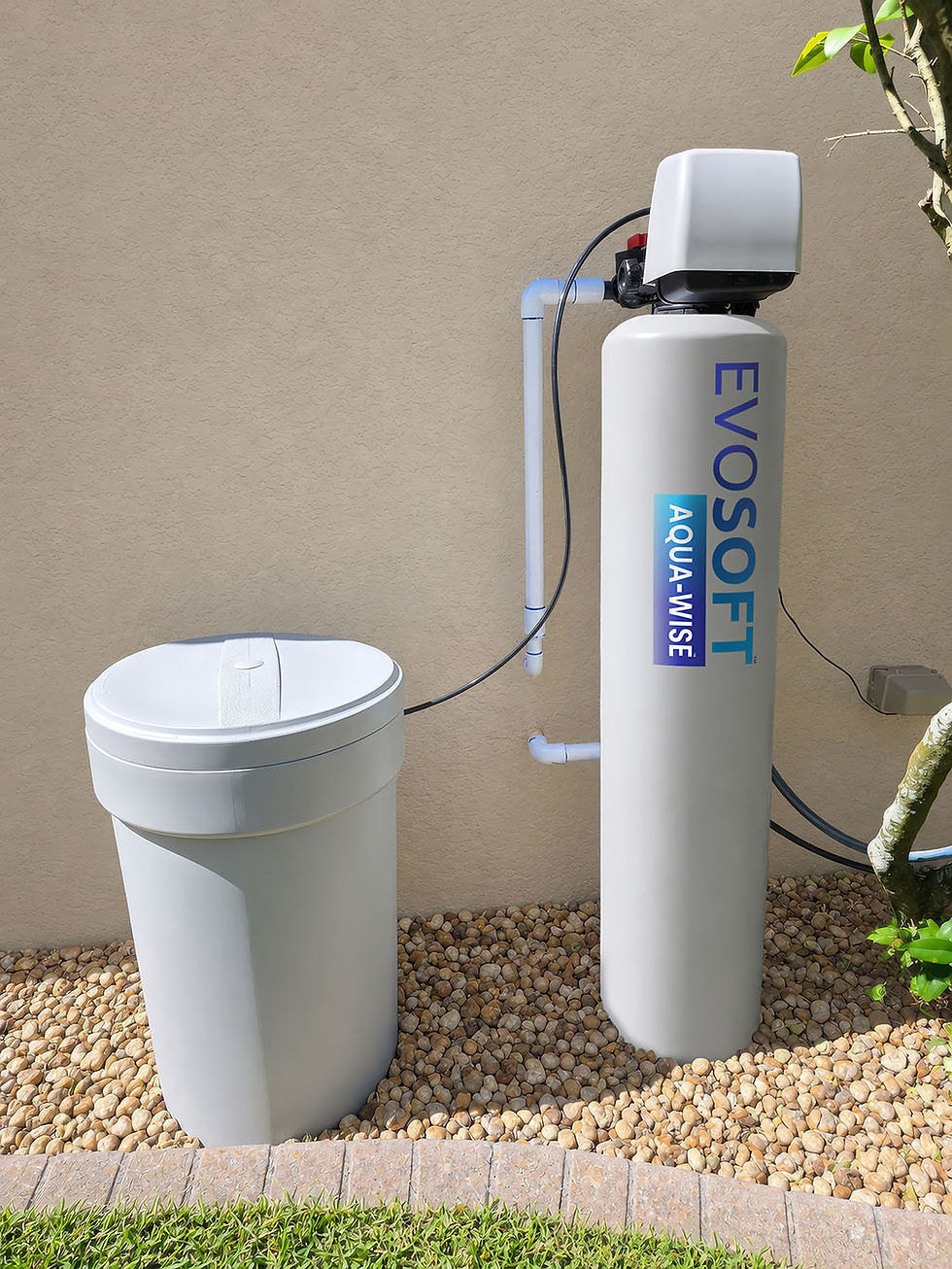
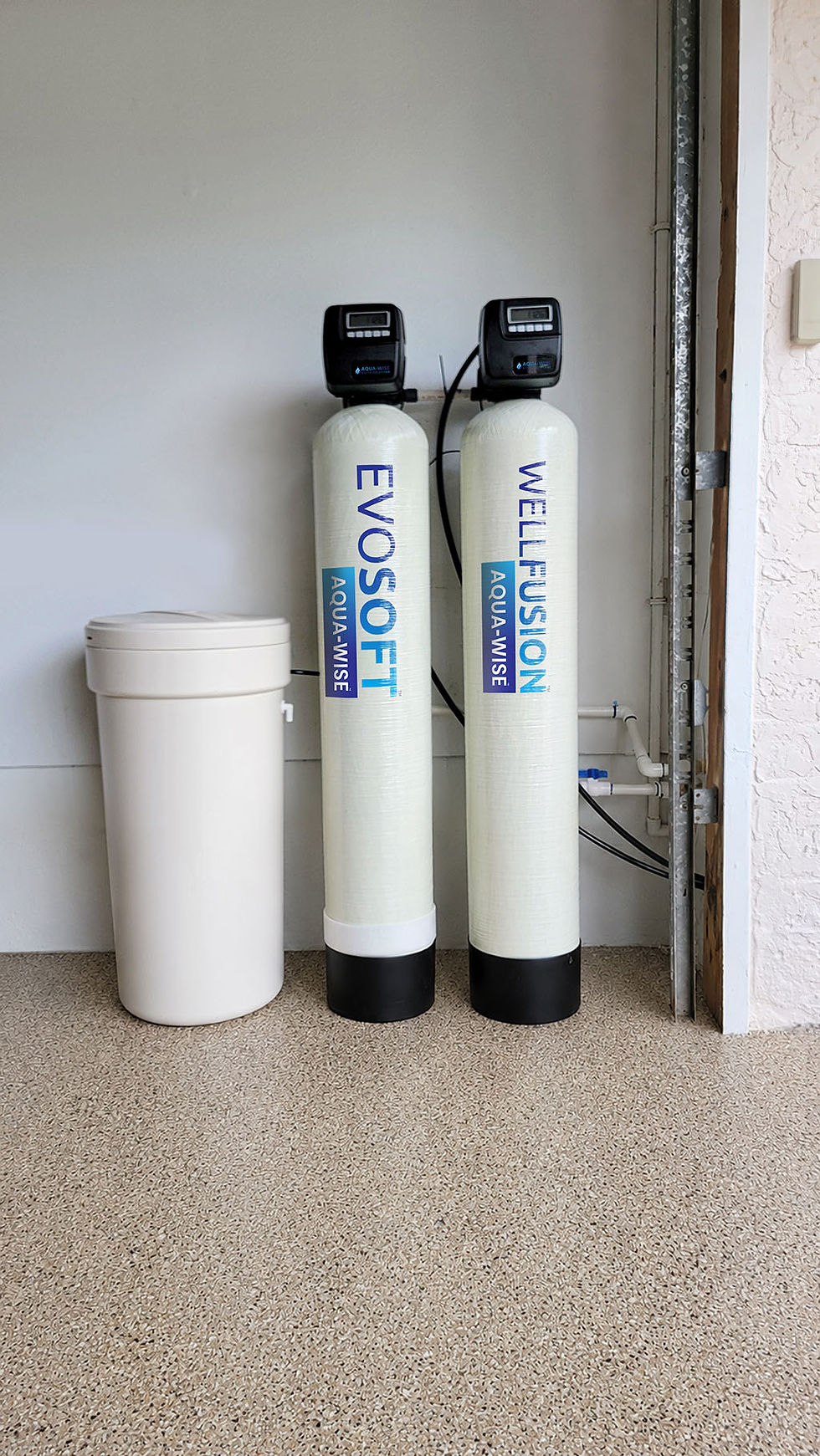
The most effective maintenance-free approach to iron removal uses catalytic media that continuously regenerates during normal operation. Systems like WellFusion™ are designed around this principle.
Catalytic filtration media oxidizes ferrous iron and precipitates it out of the water without requiring chemical additives. The media is periodically backwashed using the well water itself, flushing accumulated iron particles to drain. Because the media regenerates through oxidation rather than chemical dosing, there are no tanks to refill or cartridges to replace on a regular schedule.
For this approach to work correctly, the system must be sized based on your water test results, iron concentration, flow rate, and total daily water usage. Undersized systems will not provide adequate contact time, and the media will become fouled.
In cases where iron bacteria are present, additional disinfection such as chlorination or UV treatment may be required before the catalytic filter. Iron bacteria create a protective biofilm that standard filtration cannot remove, and ongoing bacterial growth will compromise any treatment system.
If your well water also contains hardness, combining a catalytic iron filter with a water softener in the correct sequence will address both problems. The iron filter should be installed first to protect the softener resin from iron fouling.
Before investing in any iron removal system, start with a comprehensive water test.
Iron concentration and type - Manganese - pH - Hardness - Total dissolved solids - Bacteria (coliform and iron bacteria).
If you're on a private well in Redington Shores, I recommend working with a water treatment professional who can interpret the results and recommend a system based on your actual chemistry, not a generic product.
Once you have test results, ask these questions before choosing a system.
Is the system designed specifically for the type and concentration of iron in my water?
What is the expected service interval for backwashing or media replacement?
If so, how often must they be refilled?
Is the flow rate adequate for my household size and peak demand?
If iron bacteria are present?
A properly designed catalytic filtration system should operate for years with minimal intervention. If a provider is recommending frequent cartridge changes or chemical refills, the system is not truly maintenance-free.
Frequently Asked Questions
Can a water softener remove iron from well water?
A water softener can remove small amounts of clear-water iron, typically up to 1 or 2 parts per million under ideal conditions.
How do I know if I have ferrous or ferric iron?
Ferrous iron is dissolved and invisible when the water first comes out of the tap. It turns orange or brown after sitting or exposure to air.
What is a catalytic iron filter?
A catalytic iron filter uses specialized media that oxidizes dissolved iron and precipitates it out of the water.
Do maintenance-free iron filters really require no maintenance?
Maintenance-free means the system does not require regular filter changes, chemical refills, or constant attention under normal conditions. However, periodic backwashing (often automated) and occasional professional service are still necessary to ensure long-term performance.
How much does it cost to remove iron from well water?
Cost depends on the type and concentration of iron, the size of the system, installation requirements, and whether additional treatment such as softening or disinfection is needed.

Comments