
Ozone for Residential Well Water Treatment in Zephyrhills, Florida

Introduction
Ozone is one of the most powerful oxidizing agents available for residential well water treatment, and it's particularly effective at addressing problems that simpler filtration methods can't solve. If you're a homeowner in Zephyrhills with well water that has iron staining, sulfur odor, or bacteria concerns, you've likely come across ozone as a treatment option.
As a Certified Water Specialist working with well water systems throughout Florida, I've installed and serviced ozone systems for years. Ozone treatment works exceptionally well when applied correctly, but it's not the right solution for every well. Understanding what ozone actually does—and what it doesn't do—will help you decide whether it makes sense for your water.
What Ozone Does in Well Water Treatment
Ozone (O₃) is an unstable molecule made up of three oxygen atoms. When injected into water, it immediately begins breaking down and releasing highly reactive oxygen. This oxidation process converts dissolved contaminants into forms that can be filtered out.
Ozone is particularly effective at:
Oxidizing iron and manganese: Dissolved iron and manganese become visible particles that a filter can capture, eliminating staining and discoloration.
Eliminating sulfur odor: Hydrogen sulfide gas, which causes the characteristic rotten-egg smell, is oxidized and removed.
Destroying bacteria and viruses: Ozone is a powerful disinfectant that can inactivate microorganisms without adding chemicals to the water.
Breaking down tannins: Organic material that causes tea-colored water can be oxidized and filtered.
Unlike chlorine injection, ozone leaves no chemical residual in the water. It converts back to oxygen after it does its work. However, ozonation can form disinfection byproducts, including bromate when bromide is present. Treatment design must account for water chemistry and byproduct control.
When Ozone Makes Sense for Your Well
Ozone treatment is most useful when you're dealing with multiple water-quality problems at once. A well with iron, sulfur, and bacteria is an ideal candidate. Ozone handles all three issues in a single treatment step, followed by filtration to capture the oxidized material.
I often recommend ozone systems when:
Iron or manganese levels are high enough to cause staining but not so extreme that they overwhelm the oxidation capacity.
Hydrogen sulfide is present and creating odor problems.
Bacteria testing shows contamination that needs ongoing disinfection.
The homeowner wants a chemical-free treatment approach.
Water chemistry is relatively stable, without extreme pH swings or very high organic content.
Ozone works best in systems designed around it. That typically means an ozone generator, a contact tank where the ozone mixes with the water, a filtration stage to capture oxidized particles, and sometimes a carbon filter to polish the water before it enters the home.
What Ozone Doesn't Do
Ozone is not a universal solution. It won't soften hard water, and it doesn't remove dissolved solids like sodium, chloride, or nitrate. If your water has high total dissolved solids or hardness, you'll still need a water softener or reverse osmosis system for drinking water.
Ozone also requires proper system design. The contact time between ozone and water must be sufficient for oxidation to occur. If the system is undersized or the water moves through too quickly, the ozone won't have time to work. I've seen poorly designed ozone systems that didn't solve the original problem because the contact tank was too small or the ozone dosage was insufficient.
Maintenance matters, too. Ozone generators need periodic cleaning and occasional replacement of components. If the system isn't maintained, performance drops off, and the water-quality problems return.
How Ozone Compares to Other Well Water Treatments
Homeowners often ask how ozone stacks up against chlorine injection or other oxidation methods. Both ozone and chlorine can oxidize iron, manganese, and sulfur, but they work differently.
Chlorine injection is typically less expensive upfront and simpler to maintain. It requires adding chlorine to the water, allowing contact time, and then filtering out the oxidized material and removing the chlorine residual with carbon. The downside is that chlorine has a taste and odor, and some homeowners prefer not to introduce chemicals into their water.
Ozone, by contrast, is generated on-site from oxygen in the air. There's nothing to buy or store, and no chemical residual remains in the water. The tradeoff is higher initial cost and the need for electrical power to run the ozone generator.
For bacteria control, ozone is highly effective, but it provides no residual disinfection once it converts back to oxygen. If your well has ongoing bacteria problems, you may also want a UV system downstream as a safeguard, or you may need to address the source of contamination in the well itself.
Designing an Ozone System
Before recommending ozone treatment, I always want to see a complete water test. That means laboratory analysis for iron, manganese, hydrogen sulfide, pH, hardness, total dissolved solids, and bacteria. The test results tell me whether ozone will work and how the system should be sized.
Key factors include:
Iron and manganese levels: Ozone handles moderate concentrations well, but extremely high levels may require additional treatment or a larger contact tank.
pH: Ozone works best in water with a neutral to slightly alkaline pH. If your water is very acidic, pH correction may be needed first.
Organic content: High levels of organic material can consume ozone before it addresses the primary contaminants, reducing effectiveness.
Flow rate: The system must be sized to handle your household's peak water demand while maintaining adequate contact time.
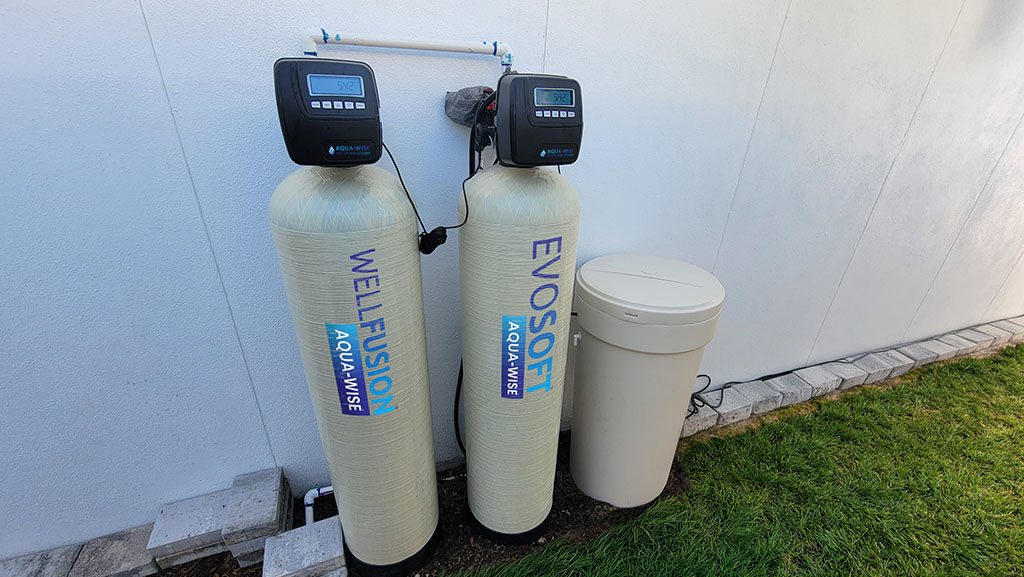
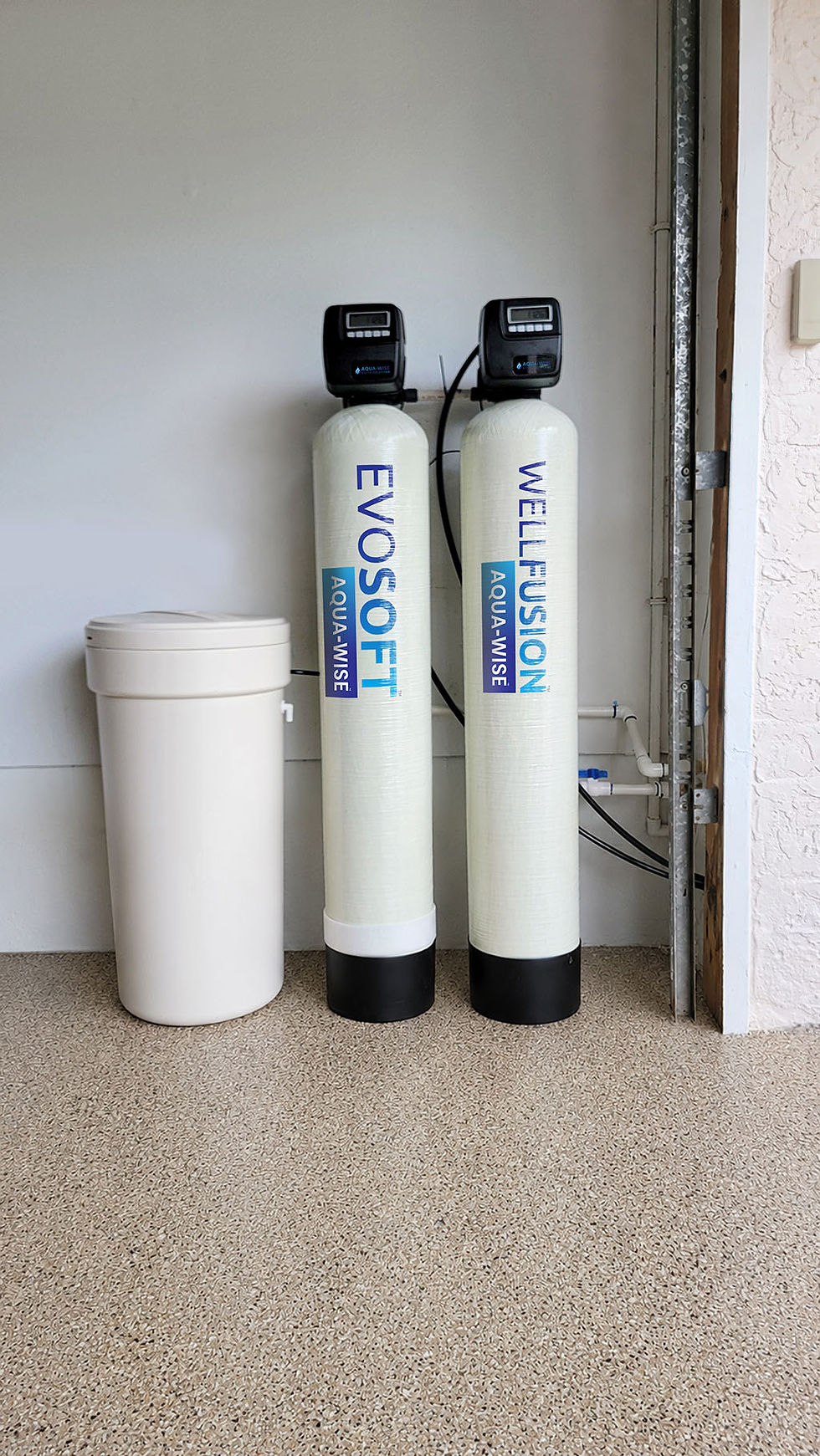
If the water chemistry is right and the system is properly designed, ozone treatment can provide years of reliable performance. Systems like WellFusion™ are designed to integrate ozone treatment with filtration stages tailored to the specific contaminants in your water.
Next Steps for Zephyrhills Homeowners
If you're in Zephyrhills and considering ozone treatment for your well, start with a comprehensive water test. Many well water issues in Florida involve iron, sulfur, and bacteria, which makes ozone a strong candidate. But every well is different, and the treatment needs to match the actual water chemistry.
Once you have test results, you can make an informed decision about whether ozone is the right approach, or whether a simpler or different treatment method would work better. Ozone is a proven, effective technology when applied correctly, but it's not a one-size-fits-all solution.
The goal is to understand your water first, then design the treatment around it—not the other way around.
Frequently Asked Questions
Does ozone remove hardness from well water?
No, ozone does not soften water or remove hardness. It oxidizes contaminants like iron, manganese, and hydrogen sulfide, but dissolved calcium and magnesium remain in the water.
Is ozone treatment safe for drinking water?
Ozone treatment can be used for drinking water when it is properly designed, operated, maintained, and verified by water testing. Ozone does not provide persistent residual disinfection, and possible disinfection byproducts must be considered in the system design.
How much does an ozone system cost to operate?
Operating costs depend on the generator power, operating hours, local electricity rates, and maintenance requirements. Obtain a model-specific operating estimate from the manufacturer or installer rather than assuming a fixed monthly cost.
Can ozone remove bacteria from well water?
Yes, ozone is a powerful disinfectant that can inactivate bacteria and viruses. However, it provides no residual protection after it converts to oxygen.
How long does an ozone generator last?
Generator life and component replacement intervals depend on the model, duty cycle, water conditions, and maintenance. Follow the manufacturer's service schedule and warranty information for the specific unit rather than relying on a universal lifespan estimate.

Comments